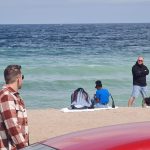
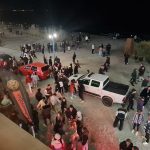
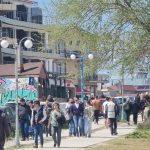
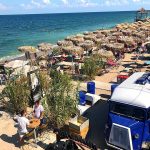
Vama Veche every night

Transport de seara de la Constanta la Vama Veche in fiecare zi la ora 21:00

8 iunie 2023 – 24 septembrie 2023

PRET: 20 Euro

La cerere (optional, plata suplimentara) dimineata se poate organiza si transport retur, Vama Veche la Constanta de la ora 5:30

Ora limita: locurile nu se mai confirma automat cu 12 ore inainte de ora de incepere.

Punctul si ora de intâlnire: ora 21:00 la Gara, Constanta 900178, România. Ne intâlnim cu toti calatorii la un punct de intâlnire, in fata garii (la vaporas), dar din cauza lucrarilor de constructie este mai bine sa scrieti un mesaj pe what’s up la: +40740630207.

Puncte finale: Vama Veche 907163, Romania

Durata totala: 50 – 120 minute

Veti vedea pe cineva cu un semn rosu cu inscriptia „ALMA” si va aparea o poza cu o inima rosie. Vom merge direct spre Vama Veche, dar este posibil sa facem si un drum prin unele statiuni, in functie de evenimentele de pe drum si de cât de aglomerat este traficul.

Satul Vama Veche a fost fondat in anul 1811. In timpul dictaturii comuniste, satul nu era vizitat de turisti. Fenomenul „Vama Veche” (muzica buna, spirit boem, atmosfera intelectuala) a aparut in anii 70 când Universitatea Babes-Bolyai din Cluj-Napoca trimitea profesori sa se relaxeze aici in fiecare vara. Au ajuns in grupuri organizate cu autobuzul si au ramas in casele localnicilor. In acea vreme in sat locuiau aproximativ 70 de familii. Universitarii au mâncat zilnic in cantina amenajata de universitate (acum o cladire parasita), unde erau pregatite preparate de bucatari veniti si din Cluj. Universitatea din Cluj a mai construit doua dusuri cu rezervoare de apa foarte mari montate pe stâlpi. Un dus a fost instalat in curtea cantinei, celalalt era in drum spre plaja si fosta cazemata. Seara s-au adunat pe plaja, unde s-au facut focuri de tabara, s-au purtat discutii si s-au cântat cântece românesti, franceze si engleze la chitara. Grupurile se schimbau la fiecare zece zile. S-au realizat si filmari in Vama Veche pentru diverse filme românesti. Aceasta deschidere, adusa de intelectualii clujeni si de actorii români, a creat atmosfera intelectual-boema a locului in aceasta perioada si a oferit localnicilor posibilitatea de a intra in contact cu evenimente si oameni de inalta calitate.

Elena Ceausescu, sotia fostului dictator, care se deplasa in Bulgaria cu un convoi oficial, in timpul unei vizite din vara anului 1988, a fost profund tulburata de aspectul satului pescaresc (un loc cu stuf si balti, cu putini locuitori, majoritatea saraci si a decis sa demoleze casele. Actiunea a inceput in 1989 când au disparut câteva case mai instarite, scoala si biserica. Intreg satul urma sa fie darâmat. Localnicii au ramas in casele lor in timpul demolarii pentru a le salva si au fortat autoritatile sa-i lase in pace. Unii dintre ei au suferit atacuri de cord in propriile case când buldozerul de demolare a venit in apropierea lor. Din fericire, Revolutia Româna din 1989 a reusit sa salveze satul de la distrugere. Imediat dupa revolutie, aici au venit niste familii intreprinzatoare din Ploiesti si Bucuresti si au infiintat primele mici afaceri locale, restaurante sau baruri.

Pâna la sfârsitul anilor 1990, Vama Veche era cunoscuta ca un sat de pescari a carui plaja atragea putini turisti si era in mare parte populara printre nudisti. Totusi, in ultimii 10 ani, locul a cunoscut un aflux puternic de turisti, care si-a schimbat complet vechiul aspect odata cu aparitia de noi cladiri si spatii comerciale.

Ghidajul pana la destinatie poate fi poate fi in engleza, germana, spaniola, bulgara sau in alte limbi.

Nu este recomandat pentru:

– calatori cu probleme de spate

– femei insarcinate

– pentru calatorii cu probleme cardiace sau alte afectiuni medicale grave

Este o statiune de petrecere in care oamenii danseaza toata noaptea si dorm pe plaja.

Numar de telefon: +40 740 630 207
Evening transport from Constanta to Vama Veche every day at 21:00

June 8, 2023 – September 24, 2023

PRICE: 20 Euro

On request (optional, additional payment) in the morning, return transport can be organized, Vama Veche to Constanta starting with 5:30

Time limit: places are no longer automatically confirmed 12 hours before the start time.

Meeting point and time: 21:00 at the Train Station, Constanta 900178, Romania. We meet all travelers at a meeting point, in front of the station (at the ferry), but because of the construction works it is better to write a message on what’s up to: +40740630207.

Final points: Vama Veche 907163, Romania

Total duration: 50 – 120 minutes

You will see someone with a red “ALMA” sign and a picture of a red heart will appear. We will go directly to Vama Veche, but it is possible to make a detour through some resorts, depending on the events on the road and how crowded the traffic is.

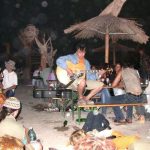
Vama Veche village was founded in 1811. During the communist dictatorship, the village was not visited by tourists. The “Vama Veche” phenomenon (good music, bohemian spirit, intellectual atmosphere) appeared in the 70s when Babes-Bolyai University in Cluj-Napoca sent professors to relax here every summer. They arrived in organized groups by bus and stayed in the houses of the locals. At that time, approximately 70 families lived in the village. The university students ate daily in the canteen set up by the university (now an abandoned building), where dishes were prepared by chefs from Cluj. The University of Cluj also built two showers with very large water tanks mounted on poles. One shower was installed in the courtyard of the canteen, the other was on the way to the beach and the former casemate. In the evening they gathered on the beach, where campfires were made, discussions were held and Romanian, French and English songs were played on the guitar. The groups changed every ten days. Filming was also done in Vama Veche for various Romanian films. This openness, brought by Cluj intellectuals and Romanian actors, created the intellectual-bohemian atmosphere of the place during this period and offered the locals the opportunity to come into contact with high-quality events and people.
Elena Ceausescu, the wife of the former dictator, who was traveling in Bulgaria with an official convoy, during a visit in the summer of 1988, was deeply disturbed by the appearance of the fishing village (a place with reeds and puddles, with few inhabitants, most of them poor and decided to demolish the houses. The action started in 1989 when a few wealthier houses, the school and the church disappeared. The whole village was going to be demolished. The locals stayed in their houses during the demolition to save them and forced the authorities to let them in peace. Some of them suffered heart attacks in their own houses when the demolition bulldozer came near them. Fortunately, the Romanian Revolution of 1989 managed to save the village from destruction. Immediately after the revolution, some enterprising families came here from Ploiesti and Bucharest and established the first small local businesses, restaurants or bars.

Until the end of the 1990s, Vama Veche was known as a fishing village whose beach attracted few tourists and was mostly popular among nudists. However, in the last 10 years, the place experienced a strong influx of tourists, which completely changed its old appearance with the appearance of new buildings and commercial spaces.

The guide to the destination can be in English, German, Spanish, Bulgarian or other languages.

Not recommended for:

– travelers with back problems

– pregnant women

– for travelers with heart problems or other serious medical conditions

It is a party resort where people dance all night and sleep on the beach.

Phone number: +40 740 630 207

Abendtransport nach Vama Veche – Jeden-Abend um 21:00 Uhr

  1. Juni 2023 – 24. September 2023

PREIS: 20 €uro

Transport von Vama Veche nach Constanta ab 5:30 Uhr kann im Bus bestellt werden.

Annahmeschluss: Stoppen Sie den Kauf 12 Stunden vor der Startzeit.

Um eine vollständige Rückerstattung zu erhalten, können Reisende bis zu 7 Tage vor Beginn des Erlebnisses in der lokalen Zeitzone stornieren. Nach diesem Zeitraum erfolgt keine Rückerstattung mehr.

Zeigen Sie Ihr Ticket dem Reiseleiter oder Fahrer vor, wenn Sie sich treffen, oder senden Sie eine SMS an: +40740630207.

Treffpunkt und Uhrzeit: 21:00 Uhr in Gara, Constanta 900178, Rumänien. Wir treffen alle Reisenden an einem Treffpunkt vor dem Bahnhof, aber aufgrund von Bauarbeiten ist es besser, anzurufen: +40740630207.

Endpunkte: Vama Veche 907163, Rumänien

Gesamtdauer: 50 – 120 Minuten

Sie werden jemanden mit einem roten Schild mit der Aufschrift „ALMA“ sehen und es wird ein Bild mit einem roten Herzen geben. Wir fahren direkt nach Vama Veche, aber es ist auch möglich, eine malerische Fahrt durch einige Urlaubsorte zu unternehmen.

Das Dorf Vama Veche wurde 1811 gegründet. Während der kommunistischen Diktatur wurde das Dorf nicht von Touristen besucht. Das Phänomen „Vama Veche“ (gute Musik, Bohème-Geist, eine gewisse intellektuelle Note) entstand in den 70er Jahren, als die Babes-Bolyai-Universität in Cluj-Napoca jeden Sommer Professoren zum Entspannen hierher schickte. Sie kamen in organisierten Gruppen mit dem Bus an und wohnten in den Häusern der Einheimischen. Zu dieser Zeit lebten etwa 70 Familien im Dorf. Die Universitätsstudenten aßen täglich in der von der Universität eingerichteten Kantine (heute ein verlassenes Gebäude), in der die Gerichte von Köchen zubereitet wurden, die ebenfalls aus Cluj stammten. Die Universität Cluj baute außerdem zwei Duschen mit sehr großen, auf Stangen montierten Wassertanks. Eine Dusche wurde im Innenhof der Kantine installiert, die andere befand sich auf dem Weg zum Strand und der ehemaligen Kasematte. Am Abend versammelten sie sich am Strand, wo Lagerfeuer gemacht, Diskussionen geführt und rumänische, französische und englische Lieder auf der Gitarre gespielt wurden. Die Gruppen wechselten alle zehn Tage. In Vama Veche wurden auch Dreharbeiten für verschiedene rumänische Filme durchgeführt. Diese von den Clujer Intellektuellen und den rumänischen Schauspielern mitgebrachte Offenheit schuf in dieser Zeit die intellektuell-bohemische Atmosphäre des Ortes und bot den Einheimischen die Möglichkeit, mit hochwertigen Veranstaltungen und Menschen in Kontakt zu kommen.

Elena Ceausescu, die Frau des ehemaligen Diktators, der mit einem offiziellen Konvoi nach Bulgarien reiste, war bei einem Besuch im Sommer 1988 zutiefst beunruhigt über das Aussehen des Fischerdorfes (ein Ort mit Schilf und Pfützen, mit wenigen Einwohnern, meist arme Menschen) und beschluss, ihre Häuser abzureißen. Die Aktion begann im Jahr 1989, als einige weitere wohlhabende Häuser, die Schule und die Kirche verschwanden und das gesamte Dorf dem Erdboden gleichgemacht werden sollte. Die Einheimischen blieben während des Abrisses in ihren Häusern, um sie zu retten und die Behörden zu zwingen, sie in Ruhe zu lassen. Einige von ihnen erlitten in ihren eigenen Häusern einen Herzinfarkt, als der Abbruchbulldozer in ihre Nähe kam. Glücklicherweise gelang es der Rumänischen Revolution von 1989, das Dorf vor der Zerstörung zu bewahren. Unmittelbar nach der Revolution kamen einige unternehmungslustige Familien aus Ploiesti und Bukarest hierher und gründeten die ersten kleinen lokalen Unternehmen, Restaurants oder Gaststätten, die sich heute stark weiterentwickelt und verändert haben.

Bis Ende der 1990er Jahre war Vama Veche als Fischerdorf bekannt, dessen Strand bei Touristen wenig bekannt war und vor allem bei Nudisten beliebt war. Allerdings erlebte der Ort in den letzten 10 Jahren einen starken Zustrom von Touristen, der durch die Entstehung neuer Gebäude und Gewerbeflächen sein altes Erscheinungsbild völlig veränderte.

Ich arbeite seit vielen Jahren im Tourismus und bin ein Einheimischer der rumänischen Küste. Ich bin ein Fan von Vama Veche schon lange. Dies ist der einzige Ort für Träumer und Rockmusikfans mit entspannter Atmosphäre.

Der Fahrt zum Zielort kann in Englisch, Deutsch, Spanisch, Bulgarisch oder anderen Sprachen geleitet sein.

Nicht empfohlen für:

– Reisende mit Rückenproblemen

– schwangere Frauen

– für Reisende mit Herzproblemen oder anderen schwerwiegenden Erkrankungen

Es ist ein Partyresort, in dem die Leute die ganze Nacht tanzen und am Strand schlafen.

Telefonnummer: +40 740 630 207

Vama Veche every night

Transport de seara de la Constanta la Vama Veche in fiecare zi la ora 21:00

8 iunie 2023 – 24 septembrie 2023

PRET: 20 Euro

La cerere (optional, plata suplimentara) dimineata se poate organiza si transport retur, Vama Veche la Constanta de la ora 5:30

Ora limita: locurile nu se mai confirma automat cu 12 ore inainte de ora de incepere.

Punctul si ora de intâlnire: ora 21:00 la Gara, Constanta 900178, România. Ne intâlnim cu toti calatorii la un punct de intâlnire, in fata garii (la vaporas), dar din cauza lucrarilor de constructie este mai bine sa scrieti un mesaj pe what’s up la: +40740630207.

Puncte finale: Vama Veche 907163, Romania

Durata totala: 50 – 120 minute

Veti vedea pe cineva cu un semn rosu cu inscriptia „ALMA” si va aparea o poza cu o inima rosie. Vom merge direct spre Vama Veche, dar este posibil sa facem si un drum prin unele statiuni, in functie de evenimentele de pe drum si de cât de aglomerat este traficul.

Satul Vama Veche a fost fondat in anul 1811. In timpul dictaturii comuniste, satul nu era vizitat de turisti. Fenomenul „Vama Veche” (muzica buna, spirit boem, atmosfera intelectuala) a aparut in anii 70 când Universitatea Babes-Bolyai din Cluj-Napoca trimitea profesori sa se relaxeze aici in fiecare vara. Au ajuns in grupuri organizate cu autobuzul si au ramas in casele localnicilor. In acea vreme in sat locuiau aproximativ 70 de familii. Universitarii au mâncat zilnic in cantina amenajata de universitate (acum o cladire parasita), unde erau pregatite preparate de bucatari veniti si din Cluj. Universitatea din Cluj a mai construit doua dusuri cu rezervoare de apa foarte mari montate pe stâlpi. Un dus a fost instalat in curtea cantinei, celalalt era in drum spre plaja si fosta cazemata. Seara s-au adunat pe plaja, unde s-au facut focuri de tabara, s-au purtat discutii si s-au cântat cântece românesti, franceze si engleze la chitara. Grupurile se schimbau la fiecare zece zile. S-au realizat si filmari in Vama Veche pentru diverse filme românesti. Aceasta deschidere, adusa de intelectualii clujeni si de actorii români, a creat atmosfera intelectual-boema a locului in aceasta perioada si a oferit localnicilor posibilitatea de a intra in contact cu evenimente si oameni de inalta calitate.

Elena Ceausescu, sotia fostului dictator, care se deplasa in Bulgaria cu un convoi oficial, in timpul unei vizite din vara anului 1988, a fost profund tulburata de aspectul satului pescaresc (un loc cu stuf si balti, cu putini locuitori, majoritatea saraci si a decis sa demoleze casele. Actiunea a inceput in 1989 când au disparut câteva case mai instarite, scoala si biserica. Intreg satul urma sa fie darâmat. Localnicii au ramas in casele lor in timpul demolarii pentru a le salva si au fortat autoritatile sa-i lase in pace. Unii dintre ei au suferit atacuri de cord in propriile case când buldozerul de demolare a venit in apropierea lor. Din fericire, Revolutia Româna din 1989 a reusit sa salveze satul de la distrugere. Imediat dupa revolutie, aici au venit niste familii intreprinzatoare din Ploiesti si Bucuresti si au infiintat primele mici afaceri locale, restaurante sau baruri.

Pâna la sfârsitul anilor 1990, Vama Veche era cunoscuta ca un sat de pescari a carui plaja atragea putini turisti si era in mare parte populara printre nudisti. Totusi, in ultimii 10 ani, locul a cunoscut un aflux puternic de turisti, care si-a schimbat complet vechiul aspect odata cu aparitia de noi cladiri si spatii comerciale.

Ghidajul pana la destinatie poate fi poate fi in engleza, germana, spaniola, bulgara sau in alte limbi.

Nu este recomandat pentru:

– calatori cu probleme de spate

– femei insarcinate

– pentru calatorii cu probleme cardiace sau alte afectiuni medicale grave

Este o statiune de petrecere in care oamenii danseaza toata noaptea si dorm pe plaja.

Numar de telefon: +40 740 630 207

Evening transport from Constanta to Vama Veche every day at 21:00

June 8, 2023 – September 24, 2023

PRICE: 20 Euro

On request (optional, additional payment) in the morning, return transport can be organized, Vama Veche to Constanta starting with 5:30

Time limit: places are no longer automatically confirmed 12 hours before the start time.

Meeting point and time: 21:00 at the Train Station, Constanta 900178, Romania. We meet all travelers at a meeting point, in front of the station (at the ferry), but because of the construction works it is better to write a message on what’s up to: +40740630207.

Final points: Vama Veche 907163, Romania

Total duration: 50 – 120 minutes

You will see someone with a red “ALMA” sign and a picture of a red heart will appear. We will go directly to Vama Veche, but it is possible to make a detour through some resorts, depending on the events on the road and how crowded the traffic is.

Vama Veche village was founded in 1811. During the communist dictatorship, the village was not visited by tourists. The “Vama Veche” phenomenon (good music, bohemian spirit, intellectual atmosphere) appeared in the 70s when Babes-Bolyai University in Cluj-Napoca sent professors to relax here every summer. They arrived in organized groups by bus and stayed in the houses of the locals. At that time, approximately 70 families lived in the village. The university students ate daily in the canteen set up by the university (now an abandoned building), where dishes were prepared by chefs from Cluj. The University of Cluj also built two showers with very large water tanks mounted on poles. One shower was installed in the courtyard of the canteen, the other was on the way to the beach and the former casemate. In the evening they gathered on the beach, where campfires were made, discussions were held and Romanian, French and English songs were played on the guitar. The groups changed every ten days. Filming was also done in Vama Veche for various Romanian films. This openness, brought by Cluj intellectuals and Romanian actors, created the intellectual-bohemian atmosphere of the place during this period and offered the locals the opportunity to come into contact with high-quality events and people.
Elena Ceausescu, the wife of the former dictator, who was traveling in Bulgaria with an official convoy, during a visit in the summer of 1988, was deeply disturbed by the appearance of the fishing village (a place with reeds and puddles, with few inhabitants, most of them poor and decided to demolish the houses. The action started in 1989 when a few wealthier houses, the school and the church disappeared. The whole village was going to be demolished. The locals stayed in their houses during the demolition to save them and forced the authorities to let them in peace. Some of them suffered heart attacks in their own houses when the demolition bulldozer came near them. Fortunately, the Romanian Revolution of 1989 managed to save the village from destruction. Immediately after the revolution, some enterprising families came here from Ploiesti and Bucharest and established the first small local businesses, restaurants or bars.

Until the end of the 1990s, Vama Veche was known as a fishing village whose beach attracted few tourists and was mostly popular among nudists. However, in the last 10 years, the place experienced a strong influx of tourists, which completely changed its old appearance with the appearance of new buildings and commercial spaces.

The guide to the destination can be in English, German, Spanish, Bulgarian or other languages.

Not recommended for:

– travelers with back problems

– pregnant women

– for travelers with heart problems or other serious medical conditions

It is a party resort where people dance all night and sleep on the beach.

Phone number: +40 740 630 207

Abendtransport nach Vama Veche – Jeden-Abend um 21:00 Uhr

  1. Juni 2023 – 24. September 2023

PREIS: 20 €uro

Transport von Vama Veche nach Constanta ab 5:30 Uhr kann im Bus bestellt werden.

Annahmeschluss: Stoppen Sie den Kauf 12 Stunden vor der Startzeit.

Um eine vollständige Rückerstattung zu erhalten, können Reisende bis zu 7 Tage vor Beginn des Erlebnisses in der lokalen Zeitzone stornieren. Nach diesem Zeitraum erfolgt keine Rückerstattung mehr.

Zeigen Sie Ihr Ticket dem Reiseleiter oder Fahrer vor, wenn Sie sich treffen, oder senden Sie eine SMS an: +40740630207.

Treffpunkt und Uhrzeit: 21:00 Uhr in Gara, Constanta 900178, Rumänien. Wir treffen alle Reisenden an einem Treffpunkt vor dem Bahnhof, aber aufgrund von Bauarbeiten ist es besser, anzurufen: +40740630207.

Endpunkte: Vama Veche 907163, Rumänien

Gesamtdauer: 50 – 120 Minuten

Sie werden jemanden mit einem roten Schild mit der Aufschrift „ALMA“ sehen und es wird ein Bild mit einem roten Herzen geben. Wir fahren direkt nach Vama Veche, aber es ist auch möglich, eine malerische Fahrt durch einige Urlaubsorte zu unternehmen.

Das Dorf Vama Veche wurde 1811 gegründet. Während der kommunistischen Diktatur wurde das Dorf nicht von Touristen besucht. Das Phänomen „Vama Veche“ (gute Musik, Bohème-Geist, eine gewisse intellektuelle Note) entstand in den 70er Jahren, als die Babes-Bolyai-Universität in Cluj-Napoca jeden Sommer Professoren zum Entspannen hierher schickte. Sie kamen in organisierten Gruppen mit dem Bus an und wohnten in den Häusern der Einheimischen. Zu dieser Zeit lebten etwa 70 Familien im Dorf. Die Universitätsstudenten aßen täglich in der von der Universität eingerichteten Kantine (heute ein verlassenes Gebäude), in der die Gerichte von Köchen zubereitet wurden, die ebenfalls aus Cluj stammten. Die Universität Cluj baute außerdem zwei Duschen mit sehr großen, auf Stangen montierten Wassertanks. Eine Dusche wurde im Innenhof der Kantine installiert, die andere befand sich auf dem Weg zum Strand und der ehemaligen Kasematte. Am Abend versammelten sie sich am Strand, wo Lagerfeuer gemacht, Diskussionen geführt und rumänische, französische und englische Lieder auf der Gitarre gespielt wurden. Die Gruppen wechselten alle zehn Tage. In Vama Veche wurden auch Dreharbeiten für verschiedene rumänische Filme durchgeführt. Diese von den Clujer Intellektuellen und den rumänischen Schauspielern mitgebrachte Offenheit schuf in dieser Zeit die intellektuell-bohemische Atmosphäre des Ortes und bot den Einheimischen die Möglichkeit, mit hochwertigen Veranstaltungen und Menschen in Kontakt zu kommen.

Elena Ceausescu, die Frau des ehemaligen Diktators, der mit einem offiziellen Konvoi nach Bulgarien reiste, war bei einem Besuch im Sommer 1988 zutiefst beunruhigt über das Aussehen des Fischerdorfes (ein Ort mit Schilf und Pfützen, mit wenigen Einwohnern, meist arme Menschen) und beschluss, ihre Häuser abzureißen. Die Aktion begann im Jahr 1989, als einige weitere wohlhabende Häuser, die Schule und die Kirche verschwanden und das gesamte Dorf dem Erdboden gleichgemacht werden sollte. Die Einheimischen blieben während des Abrisses in ihren Häusern, um sie zu retten und die Behörden zu zwingen, sie in Ruhe zu lassen. Einige von ihnen erlitten in ihren eigenen Häusern einen Herzinfarkt, als der Abbruchbulldozer in ihre Nähe kam. Glücklicherweise gelang es der Rumänischen Revolution von 1989, das Dorf vor der Zerstörung zu bewahren. Unmittelbar nach der Revolution kamen einige unternehmungslustige Familien aus Ploiesti und Bukarest hierher und gründeten die ersten kleinen lokalen Unternehmen, Restaurants oder Gaststätten, die sich heute stark weiterentwickelt und verändert haben.

Bis Ende der 1990er Jahre war Vama Veche als Fischerdorf bekannt, dessen Strand bei Touristen wenig bekannt war und vor allem bei Nudisten beliebt war. Allerdings erlebte der Ort in den letzten 10 Jahren einen starken Zustrom von Touristen, der durch die Entstehung neuer Gebäude und Gewerbeflächen sein altes Erscheinungsbild völlig veränderte.

Ich arbeite seit vielen Jahren im Tourismus und bin ein Einheimischer der rumänischen Küste. Ich bin ein Fan von Vama Veche schon lange. Dies ist der einzige Ort für Träumer und Rockmusikfans mit entspannter Atmosphäre.

Der Fahrt zum Zielort kann in Englisch, Deutsch, Spanisch, Bulgarisch oder anderen Sprachen geleitet sein.

Nicht empfohlen für:

– Reisende mit Rückenproblemen

– schwangere Frauen

– für Reisende mit Herzproblemen oder anderen schwerwiegenden Erkrankungen

Es ist ein Partyresort, in dem die Leute die ganze Nacht tanzen und am Strand schlafen.

Telefonnummer: +40 740 630 207

Vama Veche every night

Transport de seara de la Constanta la Vama Veche in fiecare zi la ora 21:00

8 iunie 2023 – 24 septembrie 2023

PRET: 20 Euro

La cerere (optional, plata suplimentara) dimineata se poate organiza si transport retur, Vama Veche la Constanta de la ora 5:30

Ora limita: locurile nu se mai confirma automat cu 12 ore inainte de ora de incepere.

Punctul si ora de intâlnire: ora 21:00 la Gara, Constanta 900178, România. Ne intâlnim cu toti calatorii la un punct de intâlnire, in fata garii (la vaporas), dar din cauza lucrarilor de constructie este mai bine sa scrieti un mesaj pe what’s up la: +40740630207.

Puncte finale: Vama Veche 907163, Romania

Durata totala: 50 – 120 minute

Veti vedea pe cineva cu un semn rosu cu inscriptia „ALMA” si va aparea o poza cu o inima rosie. Vom merge direct spre Vama Veche, dar este posibil sa facem si un drum prin unele statiuni, in functie de evenimentele de pe drum si de cât de aglomerat este traficul.

Satul Vama Veche a fost fondat in anul 1811. In timpul dictaturii comuniste, satul nu era vizitat de turisti. Fenomenul „Vama Veche” (muzica buna, spirit boem, atmosfera intelectuala) a aparut in anii 70 când Universitatea Babes-Bolyai din Cluj-Napoca trimitea profesori sa se relaxeze aici in fiecare vara. Au ajuns in grupuri organizate cu autobuzul si au ramas in casele localnicilor. In acea vreme in sat locuiau aproximativ 70 de familii. Universitarii au mâncat zilnic in cantina amenajata de universitate (acum o cladire parasita), unde erau pregatite preparate de bucatari veniti si din Cluj. Universitatea din Cluj a mai construit doua dusuri cu rezervoare de apa foarte mari montate pe stâlpi. Un dus a fost instalat in curtea cantinei, celalalt era in drum spre plaja si fosta cazemata. Seara s-au adunat pe plaja, unde s-au facut focuri de tabara, s-au purtat discutii si s-au cântat cântece românesti, franceze si engleze la chitara. Grupurile se schimbau la fiecare zece zile. S-au realizat si filmari in Vama Veche pentru diverse filme românesti. Aceasta deschidere, adusa de intelectualii clujeni si de actorii români, a creat atmosfera intelectual-boema a locului in aceasta perioada si a oferit localnicilor posibilitatea de a intra in contact cu evenimente si oameni de inalta calitate.

Elena Ceausescu, sotia fostului dictator, care se deplasa in Bulgaria cu un convoi oficial, in timpul unei vizite din vara anului 1988, a fost profund tulburata de aspectul satului pescaresc (un loc cu stuf si balti, cu putini locuitori, majoritatea saraci si a decis sa demoleze casele. Actiunea a inceput in 1989 când au disparut câteva case mai instarite, scoala si biserica. Intreg satul urma sa fie darâmat. Localnicii au ramas in casele lor in timpul demolarii pentru a le salva si au fortat autoritatile sa-i lase in pace. Unii dintre ei au suferit atacuri de cord in propriile case când buldozerul de demolare a venit in apropierea lor. Din fericire, Revolutia Româna din 1989 a reusit sa salveze satul de la distrugere. Imediat dupa revolutie, aici au venit niste familii intreprinzatoare din Ploiesti si Bucuresti si au infiintat primele mici afaceri locale, restaurante sau baruri.

Pâna la sfârsitul anilor 1990, Vama Veche era cunoscuta ca un sat de pescari a carui plaja atragea putini turisti si era in mare parte populara printre nudisti. Totusi, in ultimii 10 ani, locul a cunoscut un aflux puternic de turisti, care si-a schimbat complet vechiul aspect odata cu aparitia de noi cladiri si spatii comerciale.

Ghidajul pana la destinatie poate fi poate fi in engleza, germana, spaniola, bulgara sau in alte limbi.

Nu este recomandat pentru:

– calatori cu probleme de spate

– femei insarcinate

– pentru calatorii cu probleme cardiace sau alte afectiuni medicale grave

Este o statiune de petrecere in care oamenii danseaza toata noaptea si dorm pe plaja.

Numar de telefon: +40 740 630 207
Evening transport from Constanta to Vama Veche every day at 21:00

June 8, 2023 – September 24, 2023

PRICE: 20 Euro

On request (optional, additional payment) in the morning, return transport can be organized, Vama Veche to Constanta starting with 5:30

Time limit: places are no longer automatically confirmed 12 hours before the start time.

Meeting point and time: 21:00 at the Train Station, Constanta 900178, Romania. We meet all travelers at a meeting point, in front of the station (at the ferry), but because of the construction works it is better to write a message on what’s up to: +40740630207.

Final points: Vama Veche 907163, Romania

Total duration: 50 – 120 minutes

You will see someone with a red “ALMA” sign and a picture of a red heart will appear. We will go directly to Vama Veche, but it is possible to make a detour through some resorts, depending on the events on the road and how crowded the traffic is.

Vama Veche village was founded in 1811. During the communist dictatorship, the village was not visited by tourists. The “Vama Veche” phenomenon (good music, bohemian spirit, intellectual atmosphere) appeared in the 70s when Babes-Bolyai University in Cluj-Napoca sent professors to relax here every summer. They arrived in organized groups by bus and stayed in the houses of the locals. At that time, approximately 70 families lived in the village. The university students ate daily in the canteen set up by the university (now an abandoned building), where dishes were prepared by chefs from Cluj. The University of Cluj also built two showers with very large water tanks mounted on poles. One shower was installed in the courtyard of the canteen, the other was on the way to the beach and the former casemate. In the evening they gathered on the beach, where campfires were made, discussions were held and Romanian, French and English songs were played on the guitar. The groups changed every ten days. Filming was also done in Vama Veche for various Romanian films. This openness, brought by Cluj intellectuals and Romanian actors, created the intellectual-bohemian atmosphere of the place during this period and offered the locals the opportunity to come into contact with high-quality events and people.
Elena Ceausescu, the wife of the former dictator, who was traveling in Bulgaria with an official convoy, during a visit in the summer of 1988, was deeply disturbed by the appearance of the fishing village (a place with reeds and puddles, with few inhabitants, most of them poor and decided to demolish the houses. The action started in 1989 when a few wealthier houses, the school and the church disappeared. The whole village was going to be demolished. The locals stayed in their houses during the demolition to save them and forced the authorities to let them in peace. Some of them suffered heart attacks in their own houses when the demolition bulldozer came near them. Fortunately, the Romanian Revolution of 1989 managed to save the village from destruction. Immediately after the revolution, some enterprising families came here from Ploiesti and Bucharest and established the first small local businesses, restaurants or bars.

Until the end of the 1990s, Vama Veche was known as a fishing village whose beach attracted few tourists and was mostly popular among nudists. However, in the last 10 years, the place experienced a strong influx of tourists, which completely changed its old appearance with the appearance of new buildings and commercial spaces.

The guide to the destination can be in English, German, Spanish, Bulgarian or other languages.

Not recommended for:

– travelers with back problems

– pregnant women

– for travelers with heart problems or other serious medical conditions

It is a party resort where people dance all night and sleep on the beach.

Phone number: +40 740 630 207

Abendtransport nach Vama Veche – Jeden-Abend um 21:00 Uhr

  1. Juni 2023 – 24. September 2023

PREIS: 20 €uro

Transport von Vama Veche nach Constanta ab 5:30 Uhr kann im Bus bestellt werden.

Annahmeschluss: Stoppen Sie den Kauf 12 Stunden vor der Startzeit.

Um eine vollständige Rückerstattung zu erhalten, können Reisende bis zu 7 Tage vor Beginn des Erlebnisses in der lokalen Zeitzone stornieren. Nach diesem Zeitraum erfolgt keine Rückerstattung mehr.

Zeigen Sie Ihr Ticket dem Reiseleiter oder Fahrer vor, wenn Sie sich treffen, oder senden Sie eine SMS an: +40740630207.

Treffpunkt und Uhrzeit: 21:00 Uhr in Gara, Constanta 900178, Rumänien. Wir treffen alle Reisenden an einem Treffpunkt vor dem Bahnhof, aber aufgrund von Bauarbeiten ist es besser, anzurufen: +40740630207.

Endpunkte: Vama Veche 907163, Rumänien

Gesamtdauer: 50 – 120 Minuten

Sie werden jemanden mit einem roten Schild mit der Aufschrift „ALMA“ sehen und es wird ein Bild mit einem roten Herzen geben. Wir fahren direkt nach Vama Veche, aber es ist auch möglich, eine malerische Fahrt durch einige Urlaubsorte zu unternehmen.

Das Dorf Vama Veche wurde 1811 gegründet. Während der kommunistischen Diktatur wurde das Dorf nicht von Touristen besucht. Das Phänomen „Vama Veche“ (gute Musik, Bohème-Geist, eine gewisse intellektuelle Note) entstand in den 70er Jahren, als die Babes-Bolyai-Universität in Cluj-Napoca jeden Sommer Professoren zum Entspannen hierher schickte. Sie kamen in organisierten Gruppen mit dem Bus an und wohnten in den Häusern der Einheimischen. Zu dieser Zeit lebten etwa 70 Familien im Dorf. Die Universitätsstudenten aßen täglich in der von der Universität eingerichteten Kantine (heute ein verlassenes Gebäude), in der die Gerichte von Köchen zubereitet wurden, die ebenfalls aus Cluj stammten. Die Universität Cluj baute außerdem zwei Duschen mit sehr großen, auf Stangen montierten Wassertanks. Eine Dusche wurde im Innenhof der Kantine installiert, die andere befand sich auf dem Weg zum Strand und der ehemaligen Kasematte. Am Abend versammelten sie sich am Strand, wo Lagerfeuer gemacht, Diskussionen geführt und rumänische, französische und englische Lieder auf der Gitarre gespielt wurden. Die Gruppen wechselten alle zehn Tage. In Vama Veche wurden auch Dreharbeiten für verschiedene rumänische Filme durchgeführt. Diese von den Clujer Intellektuellen und den rumänischen Schauspielern mitgebrachte Offenheit schuf in dieser Zeit die intellektuell-bohemische Atmosphäre des Ortes und bot den Einheimischen die Möglichkeit, mit hochwertigen Veranstaltungen und Menschen in Kontakt zu kommen.

Elena Ceausescu, die Frau des ehemaligen Diktators, der mit einem offiziellen Konvoi nach Bulgarien reiste, war bei einem Besuch im Sommer 1988 zutiefst beunruhigt über das Aussehen des Fischerdorfes (ein Ort mit Schilf und Pfützen, mit wenigen Einwohnern, meist arme Menschen) und beschluss, ihre Häuser abzureißen. Die Aktion begann im Jahr 1989, als einige weitere wohlhabende Häuser, die Schule und die Kirche verschwanden und das gesamte Dorf dem Erdboden gleichgemacht werden sollte. Die Einheimischen blieben während des Abrisses in ihren Häusern, um sie zu retten und die Behörden zu zwingen, sie in Ruhe zu lassen. Einige von ihnen erlitten in ihren eigenen Häusern einen Herzinfarkt, als der Abbruchbulldozer in ihre Nähe kam. Glücklicherweise gelang es der Rumänischen Revolution von 1989, das Dorf vor der Zerstörung zu bewahren. Unmittelbar nach der Revolution kamen einige unternehmungslustige Familien aus Ploiesti und Bukarest hierher und gründeten die ersten kleinen lokalen Unternehmen, Restaurants oder Gaststätten, die sich heute stark weiterentwickelt und verändert haben.

Bis Ende der 1990er Jahre war Vama Veche als Fischerdorf bekannt, dessen Strand bei Touristen wenig bekannt war und vor allem bei Nudisten beliebt war. Allerdings erlebte der Ort in den letzten 10 Jahren einen starken Zustrom von Touristen, der durch die Entstehung neuer Gebäude und Gewerbeflächen sein altes Erscheinungsbild völlig veränderte.

Ich arbeite seit vielen Jahren im Tourismus und bin ein Einheimischer der rumänischen Küste. Ich bin ein Fan von Vama Veche schon lange. Dies ist der einzige Ort für Träumer und Rockmusikfans mit entspannter Atmosphäre.

Der Fahrt zum Zielort kann in Englisch, Deutsch, Spanisch, Bulgarisch oder anderen Sprachen geleitet sein.

Nicht empfohlen für:

– Reisende mit Rückenproblemen

– schwangere Frauen

– für Reisende mit Herzproblemen oder anderen schwerwiegenden Erkrankungen

Es ist ein Partyresort, in dem die Leute die ganze Nacht tanzen und am Strand schlafen.

Telefonnummer: +40 740 630 207

Vama Veche every night

Transport de seara de la Constanta la Vama Veche in fiecare zi la ora 21:00

8 iunie 2023 – 24 septembrie 2023

PRET: 20 Euro

La cerere (optional, plata suplimentara) dimineata se poate organiza si transport retur, Vama Veche la Constanta de la ora 5:30

Ora limita: locurile nu se mai confirma automat cu 12 ore inainte de ora de incepere.

Punctul si ora de intâlnire: ora 21:00 la Gara, Constanta 900178, România. Ne intâlnim cu toti calatorii la un punct de intâlnire, in fata garii (la vaporas), dar din cauza lucrarilor de constructie este mai bine sa scrieti un mesaj pe what’s up la: +40740630207.

Puncte finale: Vama Veche 907163, Romania

Durata totala: 50 – 120 minute

Veti vedea pe cineva cu un semn rosu cu inscriptia „ALMA” si va aparea o poza cu o inima rosie. Vom merge direct spre Vama Veche, dar este posibil sa facem si un drum prin unele statiuni, in functie de evenimentele de pe drum si de cât de aglomerat este traficul.

Satul Vama Veche a fost fondat in anul 1811. In timpul dictaturii comuniste, satul nu era vizitat de turisti. Fenomenul „Vama Veche” (muzica buna, spirit boem, atmosfera intelectuala) a aparut in anii 70 când Universitatea Babes-Bolyai din Cluj-Napoca trimitea profesori sa se relaxeze aici in fiecare vara. Au ajuns in grupuri organizate cu autobuzul si au ramas in casele localnicilor. In acea vreme in sat locuiau aproximativ 70 de familii. Universitarii au mâncat zilnic in cantina amenajata de universitate (acum o cladire parasita), unde erau pregatite preparate de bucatari veniti si din Cluj. Universitatea din Cluj a mai construit doua dusuri cu rezervoare de apa foarte mari montate pe stâlpi. Un dus a fost instalat in curtea cantinei, celalalt era in drum spre plaja si fosta cazemata. Seara s-au adunat pe plaja, unde s-au facut focuri de tabara, s-au purtat discutii si s-au cântat cântece românesti, franceze si engleze la chitara. Grupurile se schimbau la fiecare zece zile. S-au realizat si filmari in Vama Veche pentru diverse filme românesti. Aceasta deschidere, adusa de intelectualii clujeni si de actorii români, a creat atmosfera intelectual-boema a locului in aceasta perioada si a oferit localnicilor posibilitatea de a intra in contact cu evenimente si oameni de inalta calitate.

Elena Ceausescu, sotia fostului dictator, care se deplasa in Bulgaria cu un convoi oficial, in timpul unei vizite din vara anului 1988, a fost profund tulburata de aspectul satului pescaresc (un loc cu stuf si balti, cu putini locuitori, majoritatea saraci si a decis sa demoleze casele. Actiunea a inceput in 1989 când au disparut câteva case mai instarite, scoala si biserica. Intreg satul urma sa fie darâmat. Localnicii au ramas in casele lor in timpul demolarii pentru a le salva si au fortat autoritatile sa-i lase in pace. Unii dintre ei au suferit atacuri de cord in propriile case când buldozerul de demolare a venit in apropierea lor. Din fericire, Revolutia Româna din 1989 a reusit sa salveze satul de la distrugere. Imediat dupa revolutie, aici au venit niste familii intreprinzatoare din Ploiesti si Bucuresti si au infiintat primele mici afaceri locale, restaurante sau baruri.

Pâna la sfârsitul anilor 1990, Vama Veche era cunoscuta ca un sat de pescari a carui plaja atragea putini turisti si era in mare parte populara printre nudisti. Totusi, in ultimii 10 ani, locul a cunoscut un aflux puternic de turisti, care si-a schimbat complet vechiul aspect odata cu aparitia de noi cladiri si spatii comerciale.

Ghidajul pana la destinatie poate fi poate fi in engleza, germana, spaniola, bulgara sau in alte limbi.

Nu este recomandat pentru:

– calatori cu probleme de spate

– femei insarcinate

– pentru calatorii cu probleme cardiace sau alte afectiuni medicale grave

Este o statiune de petrecere in care oamenii danseaza toata noaptea si dorm pe plaja.

Numar de telefon: +40 740 630 207

Evening transport from Constanta to Vama Veche every day at 21:00

June 8, 2023 – September 24, 2023

PRICE: 20 Euro

On request (optional, additional payment) in the morning, return transport can be organized, Vama Veche to Constanta starting with 5:30

Time limit: places are no longer automatically confirmed 12 hours before the start time.

Meeting point and time: 21:00 at the Train Station, Constanta 900178, Romania. We meet all travelers at a meeting point, in front of the station (at the ferry), but because of the construction works it is better to write a message on what’s up to: +40740630207.

Final points: Vama Veche 907163, Romania

Total duration: 50 – 120 minutes

You will see someone with a red “ALMA” sign and a picture of a red heart will appear. We will go directly to Vama Veche, but it is possible to make a detour through some resorts, depending on the events on the road and how crowded the traffic is.

Vama Veche village was founded in 1811. During the communist dictatorship, the village was not visited by tourists. The “Vama Veche” phenomenon (good music, bohemian spirit, intellectual atmosphere) appeared in the 70s when Babes-Bolyai University in Cluj-Napoca sent professors to relax here every summer. They arrived in organized groups by bus and stayed in the houses of the locals. At that time, approximately 70 families lived in the village. The university students ate daily in the canteen set up by the university (now an abandoned building), where dishes were prepared by chefs from Cluj. The University of Cluj also built two showers with very large water tanks mounted on poles. One shower was installed in the courtyard of the canteen, the other was on the way to the beach and the former casemate. In the evening they gathered on the beach, where campfires were made, discussions were held and Romanian, French and English songs were played on the guitar. The groups changed every ten days. Filming was also done in Vama Veche for various Romanian films. This openness, brought by Cluj intellectuals and Romanian actors, created the intellectual-bohemian atmosphere of the place during this period and offered the locals the opportunity to come into contact with high-quality events and people.
Elena Ceausescu, the wife of the former dictator, who was traveling in Bulgaria with an official convoy, during a visit in the summer of 1988, was deeply disturbed by the appearance of the fishing village (a place with reeds and puddles, with few inhabitants, most of them poor and decided to demolish the houses. The action started in 1989 when a few wealthier houses, the school and the church disappeared. The whole village was going to be demolished. The locals stayed in their houses during the demolition to save them and forced the authorities to let them in peace. Some of them suffered heart attacks in their own houses when the demolition bulldozer came near them. Fortunately, the Romanian Revolution of 1989 managed to save the village from destruction. Immediately after the revolution, some enterprising families came here from Ploiesti and Bucharest and established the first small local businesses, restaurants or bars.

Until the end of the 1990s, Vama Veche was known as a fishing village whose beach attracted few tourists and was mostly popular among nudists. However, in the last 10 years, the place experienced a strong influx of tourists, which completely changed its old appearance with the appearance of new buildings and commercial spaces.

The guide to the destination can be in English, German, Spanish, Bulgarian or other languages.

Not recommended for:

– travelers with back problems

– pregnant women

– for travelers with heart problems or other serious medical conditions

It is a party resort where people dance all night and sleep on the beach.

Phone number: +40 740 630 207

Abendtransport nach Vama Veche – Jeden-Abend um 21:00 Uhr

  1. Juni 2023 – 24. September 2023

PREIS: 20 €uro

Transport von Vama Veche nach Constanta ab 5:30 Uhr kann im Bus bestellt werden.

Annahmeschluss: Stoppen Sie den Kauf 12 Stunden vor der Startzeit.

Um eine vollständige Rückerstattung zu erhalten, können Reisende bis zu 7 Tage vor Beginn des Erlebnisses in der lokalen Zeitzone stornieren. Nach diesem Zeitraum erfolgt keine Rückerstattung mehr.

Zeigen Sie Ihr Ticket dem Reiseleiter oder Fahrer vor, wenn Sie sich treffen, oder senden Sie eine SMS an: +40740630207.

Treffpunkt und Uhrzeit: 21:00 Uhr in Gara, Constanta 900178, Rumänien. Wir treffen alle Reisenden an einem Treffpunkt vor dem Bahnhof, aber aufgrund von Bauarbeiten ist es besser, anzurufen: +40740630207.

Endpunkte: Vama Veche 907163, Rumänien

Gesamtdauer: 50 – 120 Minuten

Sie werden jemanden mit einem roten Schild mit der Aufschrift „ALMA“ sehen und es wird ein Bild mit einem roten Herzen geben. Wir fahren direkt nach Vama Veche, aber es ist auch möglich, eine malerische Fahrt durch einige Urlaubsorte zu unternehmen.

Das Dorf Vama Veche wurde 1811 gegründet. Während der kommunistischen Diktatur wurde das Dorf nicht von Touristen besucht. Das Phänomen „Vama Veche“ (gute Musik, Bohème-Geist, eine gewisse intellektuelle Note) entstand in den 70er Jahren, als die Babes-Bolyai-Universität in Cluj-Napoca jeden Sommer Professoren zum Entspannen hierher schickte. Sie kamen in organisierten Gruppen mit dem Bus an und wohnten in den Häusern der Einheimischen. Zu dieser Zeit lebten etwa 70 Familien im Dorf. Die Universitätsstudenten aßen täglich in der von der Universität eingerichteten Kantine (heute ein verlassenes Gebäude), in der die Gerichte von Köchen zubereitet wurden, die ebenfalls aus Cluj stammten. Die Universität Cluj baute außerdem zwei Duschen mit sehr großen, auf Stangen montierten Wassertanks. Eine Dusche wurde im Innenhof der Kantine installiert, die andere befand sich auf dem Weg zum Strand und der ehemaligen Kasematte. Am Abend versammelten sie sich am Strand, wo Lagerfeuer gemacht, Diskussionen geführt und rumänische, französische und englische Lieder auf der Gitarre gespielt wurden. Die Gruppen wechselten alle zehn Tage. In Vama Veche wurden auch Dreharbeiten für verschiedene rumänische Filme durchgeführt. Diese von den Clujer Intellektuellen und den rumänischen Schauspielern mitgebrachte Offenheit schuf in dieser Zeit die intellektuell-bohemische Atmosphäre des Ortes und bot den Einheimischen die Möglichkeit, mit hochwertigen Veranstaltungen und Menschen in Kontakt zu kommen.

Elena Ceausescu, die Frau des ehemaligen Diktators, der mit einem offiziellen Konvoi nach Bulgarien reiste, war bei einem Besuch im Sommer 1988 zutiefst beunruhigt über das Aussehen des Fischerdorfes (ein Ort mit Schilf und Pfützen, mit wenigen Einwohnern, meist arme Menschen) und beschluss, ihre Häuser abzureißen. Die Aktion begann im Jahr 1989, als einige weitere wohlhabende Häuser, die Schule und die Kirche verschwanden und das gesamte Dorf dem Erdboden gleichgemacht werden sollte. Die Einheimischen blieben während des Abrisses in ihren Häusern, um sie zu retten und die Behörden zu zwingen, sie in Ruhe zu lassen. Einige von ihnen erlitten in ihren eigenen Häusern einen Herzinfarkt, als der Abbruchbulldozer in ihre Nähe kam. Glücklicherweise gelang es der Rumänischen Revolution von 1989, das Dorf vor der Zerstörung zu bewahren. Unmittelbar nach der Revolution kamen einige unternehmungslustige Familien aus Ploiesti und Bukarest hierher und gründeten die ersten kleinen lokalen Unternehmen, Restaurants oder Gaststätten, die sich heute stark weiterentwickelt und verändert haben.

Bis Ende der 1990er Jahre war Vama Veche als Fischerdorf bekannt, dessen Strand bei Touristen wenig bekannt war und vor allem bei Nudisten beliebt war. Allerdings erlebte der Ort in den letzten 10 Jahren einen starken Zustrom von Touristen, der durch die Entstehung neuer Gebäude und Gewerbeflächen sein altes Erscheinungsbild völlig veränderte.

Ich arbeite seit vielen Jahren im Tourismus und bin ein Einheimischer der rumänischen Küste. Ich bin ein Fan von Vama Veche schon lange. Dies ist der einzige Ort für Träumer und Rockmusikfans mit entspannter Atmosphäre.

Der Fahrt zum Zielort kann in Englisch, Deutsch, Spanisch, Bulgarisch oder anderen Sprachen geleitet sein.

Nicht empfohlen für:

– Reisende mit Rückenproblemen

– schwangere Frauen

– für Reisende mit Herzproblemen oder anderen schwerwiegenden Erkrankungen

Es ist ein Partyresort, in dem die Leute die ganze Nacht tanzen und am Strand schlafen.

Telefonnummer: +40 740 630 207

Vama Veche every night

Transport de seara de la Constanta la Vama Veche in fiecare zi la ora 21:00

8 iunie 2023 – 24 septembrie 2023

PRET: 20 Euro

La cerere (optional, plata suplimentara) dimineata se poate organiza si transport retur, Vama Veche la Constanta de la ora 5:30

Ora limita: locurile nu se mai confirma automat cu 12 ore inainte de ora de incepere.

Punctul si ora de intâlnire: ora 21:00 la Gara, Constanta 900178, România. Ne intâlnim cu toti calatorii la un punct de intâlnire, in fata garii (la vaporas), dar din cauza lucrarilor de constructie este mai bine sa scrieti un mesaj pe what’s up la: +40740630207.

Puncte finale: Vama Veche 907163, Romania

Durata totala: 50 – 120 minute

Veti vedea pe cineva cu un semn rosu cu inscriptia „ALMA” si va aparea o poza cu o inima rosie. Vom merge direct spre Vama Veche, dar este posibil sa facem si un drum prin unele statiuni, in functie de evenimentele de pe drum si de cât de aglomerat este traficul.

Satul Vama Veche a fost fondat in anul 1811. In timpul dictaturii comuniste, satul nu era vizitat de turisti. Fenomenul „Vama Veche” (muzica buna, spirit boem, atmosfera intelectuala) a aparut in anii 70 când Universitatea Babes-Bolyai din Cluj-Napoca trimitea profesori sa se relaxeze aici in fiecare vara. Au ajuns in grupuri organizate cu autobuzul si au ramas in casele localnicilor. In acea vreme in sat locuiau aproximativ 70 de familii. Universitarii au mâncat zilnic in cantina amenajata de universitate (acum o cladire parasita), unde erau pregatite preparate de bucatari veniti si din Cluj. Universitatea din Cluj a mai construit doua dusuri cu rezervoare de apa foarte mari montate pe stâlpi. Un dus a fost instalat in curtea cantinei, celalalt era in drum spre plaja si fosta cazemata. Seara s-au adunat pe plaja, unde s-au facut focuri de tabara, s-au purtat discutii si s-au cântat cântece românesti, franceze si engleze la chitara. Grupurile se schimbau la fiecare zece zile. S-au realizat si filmari in Vama Veche pentru diverse filme românesti. Aceasta deschidere, adusa de intelectualii clujeni si de actorii români, a creat atmosfera intelectual-boema a locului in aceasta perioada si a oferit localnicilor posibilitatea de a intra in contact cu evenimente si oameni de inalta calitate.

Elena Ceausescu, sotia fostului dictator, care se deplasa in Bulgaria cu un convoi oficial, in timpul unei vizite din vara anului 1988, a fost profund tulburata de aspectul satului pescaresc (un loc cu stuf si balti, cu putini locuitori, majoritatea saraci si a decis sa demoleze casele. Actiunea a inceput in 1989 când au disparut câteva case mai instarite, scoala si biserica. Intreg satul urma sa fie darâmat. Localnicii au ramas in casele lor in timpul demolarii pentru a le salva si au fortat autoritatile sa-i lase in pace. Unii dintre ei au suferit atacuri de cord in propriile case când buldozerul de demolare a venit in apropierea lor. Din fericire, Revolutia Româna din 1989 a reusit sa salveze satul de la distrugere. Imediat dupa revolutie, aici au venit niste familii intreprinzatoare din Ploiesti si Bucuresti si au infiintat primele mici afaceri locale, restaurante sau baruri.

Pâna la sfârsitul anilor 1990, Vama Veche era cunoscuta ca un sat de pescari a carui plaja atragea putini turisti si era in mare parte populara printre nudisti. Totusi, in ultimii 10 ani, locul a cunoscut un aflux puternic de turisti, care si-a schimbat complet vechiul aspect odata cu aparitia de noi cladiri si spatii comerciale.

Ghidajul pana la destinatie poate fi poate fi in engleza, germana, spaniola, bulgara sau in alte limbi.

Nu este recomandat pentru:

– calatori cu probleme de spate

– femei insarcinate

– pentru calatorii cu probleme cardiace sau alte afectiuni medicale grave

Este o statiune de petrecere in care oamenii danseaza toata noaptea si dorm pe plaja.

Numar de telefon: +40 740 630 207

Evening transport from Constanta to Vama Veche every day at 21:00

June 8, 2023 – September 24, 2023

PRICE: 20 Euro

On request (optional, additional payment) in the morning, return transport can be organized, Vama Veche to Constanta starting with 5:30

Time limit: places are no longer automatically confirmed 12 hours before the start time.

Meeting point and time: 21:00 at the Train Station, Constanta 900178, Romania. We meet all travelers at a meeting point, in front of the station (at the ferry), but because of the construction works it is better to write a message on what’s up to: +40740630207.

Final points: Vama Veche 907163, Romania

Total duration: 50 – 120 minutes

You will see someone with a red “ALMA” sign and a picture of a red heart will appear. We will go directly to Vama Veche, but it is possible to make a detour through some resorts, depending on the events on the road and how crowded the traffic is.

Vama Veche village was founded in 1811. During the communist dictatorship, the village was not visited by tourists. The “Vama Veche” phenomenon (good music, bohemian spirit, intellectual atmosphere) appeared in the 70s when Babes-Bolyai University in Cluj-Napoca sent professors to relax here every summer. They arrived in organized groups by bus and stayed in the houses of the locals. At that time, approximately 70 families lived in the village. The university students ate daily in the canteen set up by the university (now an abandoned building), where dishes were prepared by chefs from Cluj. The University of Cluj also built two showers with very large water tanks mounted on poles. One shower was installed in the courtyard of the canteen, the other was on the way to the beach and the former casemate. In the evening they gathered on the beach, where campfires were made, discussions were held and Romanian, French and English songs were played on the guitar. The groups changed every ten days. Filming was also done in Vama Veche for various Romanian films. This openness, brought by Cluj intellectuals and Romanian actors, created the intellectual-bohemian atmosphere of the place during this period and offered the locals the opportunity to come into contact with high-quality events and people.
Elena Ceausescu, the wife of the former dictator, who was traveling in Bulgaria with an official convoy, during a visit in the summer of 1988, was deeply disturbed by the appearance of the fishing village (a place with reeds and puddles, with few inhabitants, most of them poor and decided to demolish the houses. The action started in 1989 when a few wealthier houses, the school and the church disappeared. The whole village was going to be demolished. The locals stayed in their houses during the demolition to save them and forced the authorities to let them in peace. Some of them suffered heart attacks in their own houses when the demolition bulldozer came near them. Fortunately, the Romanian Revolution of 1989 managed to save the village from destruction. Immediately after the revolution, some enterprising families came here from Ploiesti and Bucharest and established the first small local businesses, restaurants or bars.

Until the end of the 1990s, Vama Veche was known as a fishing village whose beach attracted few tourists and was mostly popular among nudists. However, in the last 10 years, the place experienced a strong influx of tourists, which completely changed its old appearance with the appearance of new buildings and commercial spaces.

The guide to the destination can be in English, German, Spanish, Bulgarian or other languages.

Not recommended for:

– travelers with back problems

– pregnant women

– for travelers with heart problems or other serious medical conditions

It is a party resort where people dance all night and sleep on the beach.

Phone number: +40 740 630 207

Abendtransport nach Vama Veche – Jeden-Abend um 21:00 Uhr

  1. Juni 2023 – 24. September 2023

PREIS: 20 €uro

Transport von Vama Veche nach Constanta ab 5:30 Uhr kann im Bus bestellt werden.

Annahmeschluss: Stoppen Sie den Kauf 12 Stunden vor der Startzeit.

Um eine vollständige Rückerstattung zu erhalten, können Reisende bis zu 7 Tage vor Beginn des Erlebnisses in der lokalen Zeitzone stornieren. Nach diesem Zeitraum erfolgt keine Rückerstattung mehr.

Zeigen Sie Ihr Ticket dem Reiseleiter oder Fahrer vor, wenn Sie sich treffen, oder senden Sie eine SMS an: +40740630207.

Treffpunkt und Uhrzeit: 21:00 Uhr in Gara, Constanta 900178, Rumänien. Wir treffen alle Reisenden an einem Treffpunkt vor dem Bahnhof, aber aufgrund von Bauarbeiten ist es besser, anzurufen: +40740630207.

Endpunkte: Vama Veche 907163, Rumänien

Gesamtdauer: 50 – 120 Minuten

Sie werden jemanden mit einem roten Schild mit der Aufschrift „ALMA“ sehen und es wird ein Bild mit einem roten Herzen geben. Wir fahren direkt nach Vama Veche, aber es ist auch möglich, eine malerische Fahrt durch einige Urlaubsorte zu unternehmen.

Das Dorf Vama Veche wurde 1811 gegründet. Während der kommunistischen Diktatur wurde das Dorf nicht von Touristen besucht. Das Phänomen „Vama Veche“ (gute Musik, Bohème-Geist, eine gewisse intellektuelle Note) entstand in den 70er Jahren, als die Babes-Bolyai-Universität in Cluj-Napoca jeden Sommer Professoren zum Entspannen hierher schickte. Sie kamen in organisierten Gruppen mit dem Bus an und wohnten in den Häusern der Einheimischen. Zu dieser Zeit lebten etwa 70 Familien im Dorf. Die Universitätsstudenten aßen täglich in der von der Universität eingerichteten Kantine (heute ein verlassenes Gebäude), in der die Gerichte von Köchen zubereitet wurden, die ebenfalls aus Cluj stammten. Die Universität Cluj baute außerdem zwei Duschen mit sehr großen, auf Stangen montierten Wassertanks. Eine Dusche wurde im Innenhof der Kantine installiert, die andere befand sich auf dem Weg zum Strand und der ehemaligen Kasematte. Am Abend versammelten sie sich am Strand, wo Lagerfeuer gemacht, Diskussionen geführt und rumänische, französische und englische Lieder auf der Gitarre gespielt wurden. Die Gruppen wechselten alle zehn Tage. In Vama Veche wurden auch Dreharbeiten für verschiedene rumänische Filme durchgeführt. Diese von den Clujer Intellektuellen und den rumänischen Schauspielern mitgebrachte Offenheit schuf in dieser Zeit die intellektuell-bohemische Atmosphäre des Ortes und bot den Einheimischen die Möglichkeit, mit hochwertigen Veranstaltungen und Menschen in Kontakt zu kommen.

Elena Ceausescu, die Frau des ehemaligen Diktators, der mit einem offiziellen Konvoi nach Bulgarien reiste, war bei einem Besuch im Sommer 1988 zutiefst beunruhigt über das Aussehen des Fischerdorfes (ein Ort mit Schilf und Pfützen, mit wenigen Einwohnern, meist arme Menschen) und beschluss, ihre Häuser abzureißen. Die Aktion begann im Jahr 1989, als einige weitere wohlhabende Häuser, die Schule und die Kirche verschwanden und das gesamte Dorf dem Erdboden gleichgemacht werden sollte. Die Einheimischen blieben während des Abrisses in ihren Häusern, um sie zu retten und die Behörden zu zwingen, sie in Ruhe zu lassen. Einige von ihnen erlitten in ihren eigenen Häusern einen Herzinfarkt, als der Abbruchbulldozer in ihre Nähe kam. Glücklicherweise gelang es der Rumänischen Revolution von 1989, das Dorf vor der Zerstörung zu bewahren. Unmittelbar nach der Revolution kamen einige unternehmungslustige Familien aus Ploiesti und Bukarest hierher und gründeten die ersten kleinen lokalen Unternehmen, Restaurants oder Gaststätten, die sich heute stark weiterentwickelt und verändert haben.

Bis Ende der 1990er Jahre war Vama Veche als Fischerdorf bekannt, dessen Strand bei Touristen wenig bekannt war und vor allem bei Nudisten beliebt war. Allerdings erlebte der Ort in den letzten 10 Jahren einen starken Zustrom von Touristen, der durch die Entstehung neuer Gebäude und Gewerbeflächen sein altes Erscheinungsbild völlig veränderte.

Ich arbeite seit vielen Jahren im Tourismus und bin ein Einheimischer der rumänischen Küste. Ich bin ein Fan von Vama Veche schon lange. Dies ist der einzige Ort für Träumer und Rockmusikfans mit entspannter Atmosphäre.

Der Fahrt zum Zielort kann in Englisch, Deutsch, Spanisch, Bulgarisch oder anderen Sprachen geleitet sein.

Nicht empfohlen für:

– Reisende mit Rückenproblemen

– schwangere Frauen

– für Reisende mit Herzproblemen oder anderen schwerwiegenden Erkrankungen

Es ist ein Partyresort, in dem die Leute die ganze Nacht tanzen und am Strand schlafen.

Telefonnummer: +40 740 630 207

TUR CONSTANTA, TECHIRGHIOL SI TOPRAISAR

24.06, 01.07, 8.07, 15.07, 22.07, 29.07, 5.08, 12.08, 19.08, 26.08, 02.09, 09.09


Ora si punct plecare: gara CFR Constanta (vaporas), ora: 08.00, 8:15 – Dorally Mall – benzinaria Mol. (cei din alte localitati aprox. cu o ora mai devreme).

Ora limita: locurile nu se mai confirma automat cu 12 ore inainte de ora de incepere.


Posibilitate de preluare din Mangalia, Neptun, Tuzla, Eforie, Agigea (in functie de numarul de persoane si alte localitati)

Pret/persoana: 120 de lei.

Pretul include:

– Transport,

– Servicii ghid roman,

– Tur pietonal in Constanta,

– Vizita la Techirghiol: manastire si baie de namol la baile reci (intrarea nu este inclusa in pret),

– Vizita la biserica din Topraisar.

Program: Incepere tur panoramic cu promenada Constanta si Cazinoul 1910, vizita si pauza de cafea intr-unul dintre obiectivele istorice ale orasului, langa promenada din fata Cazinoului. Continuam cu portul de agrement, hotelul istoric Palace; mergem apoi catre Piata Ovidiu cu statuia lui Ovidiu si cladirea din 1887 a Muzeului de Istorie (oprire foto de 15 minute). Continuam turul orasului cu sinagoga. Dupa aceea, vom vedea moscheea si ne vom urca pe minaret (140 de scari). Vom admira inscriptiile pline de intelepciune de pe antice morminte crestine dar si, vom continua cu biserica catolica si cu catedrala ortodoxa (Biserica Sf. Petru si Pavel).

Urmeaza deplasare catre Techirghiol. Prima vizita va fi la biserica de lemn din Techirghiol, biserica construita de maestri maramureseni din satul Maioresti, in 1750. Pictura naiva, in tempera pe lemn care isi pastreaza aura straveche este deosebit de expresiva.In 1934, regele Carol al II-lea a stramutat bisericuta la castelul Pelisor din Sinaia, urmand ca in 1951 sa vina la Techirghiol. Dupa vizita vom avea 2 ore la dispozitie pentru a intra la Baile Reci, unde ne vom impacheta cu namol si vom face baie in lacul sarat, urmand procedura care combina apa, soarele, sarea si namolul si contribuie la sanatatea noastra. Cei care nu doresc sa intre, pot face o plimbare pe promenada de la Techirghiol. Nu se accepta baie in Techirghiol in locuri neamenajate, deoarece sarea ramane pe corp si nu se accepta accesul in mijlocul de transport. Dupa Techirghiol ne deplasam catre Topraisar, pentru a admira una dintre multele biserici construite in timpul domniei lui Carol I in sudul Dobrogei, biserica unde a avut loc chiar si un miracol. In timpul primului razboi, preotul militar tinea slujba duminica, astfel incat atunci cand usa bisericii a fost zdrobita de un obuz, acesta sia pierdut ca prin minune forta de actiuni si nimeni nu a fost ranit. Se spune ca multe rugaciuni au fost ascultate aici si chiar si de curand s-au intamplat minuni.


CONSTANTA CITY TOUR, TECHIRGHIOL AND TOPRAISAR

Time and point of departure: CFR Constanta railway station (vaporas), time: 08:00, 8:15 – Dorally Mall – gas station Mol. (those from other localities approx. one hour earlier).

Possibility of pickup from Mangalia, Neptun, Tuzla, Eforie, Agigea (depending on the number of people and other cities)

Price/person: 120 lei.

The price includes:

– Transport,

– Guide services,

– Constanta city tour

– Visit to Techirghiol: monastery and mud bath at the cold baths (entrance is not included in the price),

– Visit to the church in Topraisar.

Schedule: Begin the panoramic tour with the Constanta promenade and the 1910 Casino, visit and coffee break in one of the historical sights of the city, near the promenade in front of the Casino. We continue with the marina, the historic Palace Hotel; then we go to Ovidiu Square with the statue of Ovidiu and the 1887 building of the History Museum (15-minute photo stop). We continue the tour of the city with the synagogue. After that, we will see the mosque and climb the minaret (140 stairs). We will admire the wise inscriptions on ancient Christian tombs, but also, we will continue with the Catholic church and the Orthodox Cathedral (Church of St. Peter and Paul).

Travel to Techirghiol. The first visit will be to the wooden church of Techirghiol, the church built by Maramures masters from the village of Maioresti, in 1750. The naive, tempera painting on wood that retains its ancient aura is particularly expressive. Moved to Pelisor Castle in Sinaia, and in 1951 came to Techirghiol. After the visit we will have 2 hours to enter the Cold Baths, where we will pack ourselves with mud and bathe in the salt lake, following the procedure that combines water, sun, salt and mud and contributes to our health. Those who do not wish to enter can take a walk on the promenade at Techirghiol. Bathing in Techirghiol is not allowed in places without shower, because the salt remains on the body and access to the bus is not accepted. After Techirghiol we go to Topraisar, to admire one of the many churches built during the reign of Carol I in southern Dobrogea, the church where even a miracle took place. During the first war, the military priest held the service on Sunday, so that when the door of the church was smashed by a shell, he miraculously lost his strength and no one was injured. It is said that many prayers have been heard here and even recently miracles have happened.

Time limit: places are no longer automatically confirmed 12 hours before the start time.


CONSTANTA STADTRUNDGANG, TECHIRGHIOL UND TOPRAISAR


Uhrzeit und Abfahrtsort: Bahnhof CFR Constanta (Vaporas), Zeit: 08:00, 8:15 – Dorally Mall – Tankstelle Mol. (aus anderen Orten ca. eine Stunde früher).


Abholmöglichkeit von Mangalia, Neptun, Tuzla, Eforie, Agigea (abhängig von der Anzahl der Personen auf Anfrage auch von anderen Ortschaften abholbar)

Preis/Person: 120 Lei.

Der Preis beinhaltet:

– Transport,

– Reiseleitung,

– Constanta Stadtrundfahrt und Stadtrundgang,

– Besuch in Techirghiol: Kloster und Schlammbad in den kalten Bädern (Eintritt nicht im Preis inbegriffen),

– Besuch der Kirche in Topraisar.


Zeitplan: Beginnen Sie die Panoramatour mit der Promenade von Constanta und dem Casino von 1910, besuchen Sie einige der historischen Sehenswürdigkeiten der Stadt und machen Sie eine Kaffeepause in der Nähe der Promenade vor dem Casino. Weiter geht es mit dem Yachthafen, dem historischen Palace Hotel. Anschließend gehen wir zum Ovidiu-Platz mit der Ovidiu-Statue und dem Gebäude des Geschichtsmuseums aus dem Jahr 1887 (15-minütiger Fotostopp). Wir setzen den Stadtrundgang mit der Synagoge fort. Danach besichtigen wir die Moschee und erklimmen das Minarett (140 Stufen). Wir werden die weisen Inschriften auf alten christlichen Gräbern bewundern, aber auch die katholische Kirche und die orthodoxe Kathedrale (Kirche St. Peter und Paul) besichtigen.

Reise nach Techirghiol. Der erste Besuch findet an der Holzkirche von Techirghiol statt. Diese Kirche wurde schon im Jahr 1750 von Maramures-Meistern aus dem Dorf Maioresti erbaut. Besonders ausdrucksstark ist die naive Temperamalerei auf Holz, die ihre antike Aura bewahrt. Erst wurde die nach Sinaia und erst 1951 wurde die nach Techirghiol transportiert. Nach dem Besuch der Kirche, haben wir 2 gute Stunden Zeit, um die Kaltbäder zu betreten, wo wir uns mit Schlamm einpacken und im Salzsee baden. Dieses Verfahren, in was Wasser, Sonne, Salz und Schlamm kombiniert is ausserst gesund. Wer an der Schlammpackung nicht teilnehmen moechte, gibt es die Moeglichkeit spazierenzugehen. Die Promenade von Techirghiol ist sehr schoen. Das Baden in Techirghiol ist an nicht saubere Plaetzen ohne Dusche nicht erlaubt, da das Salz auf dem Körper verbleibt und der Zugang zum Bus nicht akzeptiert wird. Nach Techirghiol fahren wir nach Topraisar, um eine der vielen Kirchen zu bewundern, die während der Herrschaft von Carol I in der südlichen Dobrogea gebaut wurden. In dieser Kirche geschah sogar ein Wunder. Während des ersten Krieges hielt der Militärpriester den Sonntagsgottesdienst ab, als die Tür der Kirche von einer Granate zerschmettert wurde. Auf wundersame Weise verlor die Granate an Geschwindigkeit und niemand wurde verletzt. Es wird gesagt, dass hier viele Gebete erhört wurden und sogar in letzter Zeit Wunder geschehen sind.


TUR CONSTANTA, TECHIRGHIOL SI TOPRAISAR

24.06, 01.07, 8.07, 15.07, 22.07, 29.07, 5.08, 12.08, 19.08, 26.08, 02.09, 09.09


Ora si punct plecare: gara CFR Constanta (vaporas), ora: 08.00, 8:15 – Dorally Mall – benzinaria Mol. (cei din alte localitati aprox. cu o ora mai devreme).

Ora limita: locurile nu se mai confirma automat cu 12 ore inainte de ora de incepere.


Posibilitate de preluare din Mangalia, Neptun, Tuzla, Eforie, Agigea (in functie de numarul de persoane si alte localitati)

Pret/persoana: 120 de lei.

Pretul include:

– Transport,

– Servicii ghid roman,

– Tur pietonal in Constanta,

– Vizita la Techirghiol: manastire si baie de namol la baile reci (intrarea nu este inclusa in pret),

– Vizita la biserica din Topraisar.

Program: Incepere tur panoramic cu promenada Constanta si Cazinoul 1910, vizita si pauza de cafea intr-unul dintre obiectivele istorice ale orasului, langa promenada din fata Cazinoului. Continuam cu portul de agrement, hotelul istoric Palace; mergem apoi catre Piata Ovidiu cu statuia lui Ovidiu si cladirea din 1887 a Muzeului de Istorie (oprire foto de 15 minute). Continuam turul orasului cu sinagoga. Dupa aceea, vom vedea moscheea si ne vom urca pe minaret (140 de scari). Vom admira inscriptiile pline de intelepciune de pe antice morminte crestine dar si, vom continua cu biserica catolica si cu catedrala ortodoxa (Biserica Sf. Petru si Pavel).

Urmeaza deplasare catre Techirghiol. Prima vizita va fi la biserica de lemn din Techirghiol, biserica construita de maestri maramureseni din satul Maioresti, in 1750. Pictura naiva, in tempera pe lemn care isi pastreaza aura straveche este deosebit de expresiva.In 1934, regele Carol al II-lea a stramutat bisericuta la castelul Pelisor din Sinaia, urmand ca in 1951 sa vina la Techirghiol. Dupa vizita vom avea 2 ore la dispozitie pentru a intra la Baile Reci, unde ne vom impacheta cu namol si vom face baie in lacul sarat, urmand procedura care combina apa, soarele, sarea si namolul si contribuie la sanatatea noastra. Cei care nu doresc sa intre, pot face o plimbare pe promenada de la Techirghiol. Nu se accepta baie in Techirghiol in locuri neamenajate, deoarece sarea ramane pe corp si nu se accepta accesul in mijlocul de transport. Dupa Techirghiol ne deplasam catre Topraisar, pentru a admira una dintre multele biserici construite in timpul domniei lui Carol I in sudul Dobrogei, biserica unde a avut loc chiar si un miracol. In timpul primului razboi, preotul militar tinea slujba duminica, astfel incat atunci cand usa bisericii a fost zdrobita de un obuz, acesta sia pierdut ca prin minune forta de actiuni si nimeni nu a fost ranit. Se spune ca multe rugaciuni au fost ascultate aici si chiar si de curand s-au intamplat minuni.


CONSTANTA CITY TOUR, TECHIRGHIOL AND TOPRAISAR

Time and point of departure: CFR Constanta railway station (vaporas), time: 08:00, 8:15 – Dorally Mall – gas station Mol. (those from other localities approx. one hour earlier).

Possibility of pickup from Mangalia, Neptun, Tuzla, Eforie, Agigea (depending on the number of people and other cities)

Price/person: 120 lei.

The price includes:

– Transport,

– Guide services,

– Constanta city tour

– Visit to Techirghiol: monastery and mud bath at the cold baths (entrance is not included in the price),

– Visit to the church in Topraisar.

Schedule: Begin the panoramic tour with the Constanta promenade and the 1910 Casino, visit and coffee break in one of the historical sights of the city, near the promenade in front of the Casino. We continue with the marina, the historic Palace Hotel; then we go to Ovidiu Square with the statue of Ovidiu and the 1887 building of the History Museum (15-minute photo stop). We continue the tour of the city with the synagogue. After that, we will see the mosque and climb the minaret (140 stairs). We will admire the wise inscriptions on ancient Christian tombs, but also, we will continue with the Catholic church and the Orthodox Cathedral (Church of St. Peter and Paul).

Travel to Techirghiol. The first visit will be to the wooden church of Techirghiol, the church built by Maramures masters from the village of Maioresti, in 1750. The naive, tempera painting on wood that retains its ancient aura is particularly expressive. Moved to Pelisor Castle in Sinaia, and in 1951 came to Techirghiol. After the visit we will have 2 hours to enter the Cold Baths, where we will pack ourselves with mud and bathe in the salt lake, following the procedure that combines water, sun, salt and mud and contributes to our health. Those who do not wish to enter can take a walk on the promenade at Techirghiol. Bathing in Techirghiol is not allowed in places without shower, because the salt remains on the body and access to the bus is not accepted. After Techirghiol we go to Topraisar, to admire one of the many churches built during the reign of Carol I in southern Dobrogea, the church where even a miracle took place. During the first war, the military priest held the service on Sunday, so that when the door of the church was smashed by a shell, he miraculously lost his strength and no one was injured. It is said that many prayers have been heard here and even recently miracles have happened.

Time limit: places are no longer automatically confirmed 12 hours before the start time.


CONSTANTA STADTRUNDGANG, TECHIRGHIOL UND TOPRAISAR


Uhrzeit und Abfahrtsort: Bahnhof CFR Constanta (Vaporas), Zeit: 08:00, 8:15 – Dorally Mall – Tankstelle Mol. (aus anderen Orten ca. eine Stunde früher).


Abholmöglichkeit von Mangalia, Neptun, Tuzla, Eforie, Agigea (abhängig von der Anzahl der Personen auf Anfrage auch von anderen Ortschaften abholbar)

Preis/Person: 120 Lei.

Der Preis beinhaltet:

– Transport,

– Reiseleitung,

– Constanta Stadtrundfahrt und Stadtrundgang,

– Besuch in Techirghiol: Kloster und Schlammbad in den kalten Bädern (Eintritt nicht im Preis inbegriffen),

– Besuch der Kirche in Topraisar.


Zeitplan: Beginnen Sie die Panoramatour mit der Promenade von Constanta und dem Casino von 1910, besuchen Sie einige der historischen Sehenswürdigkeiten der Stadt und machen Sie eine Kaffeepause in der Nähe der Promenade vor dem Casino. Weiter geht es mit dem Yachthafen, dem historischen Palace Hotel. Anschließend gehen wir zum Ovidiu-Platz mit der Ovidiu-Statue und dem Gebäude des Geschichtsmuseums aus dem Jahr 1887 (15-minütiger Fotostopp). Wir setzen den Stadtrundgang mit der Synagoge fort. Danach besichtigen wir die Moschee und erklimmen das Minarett (140 Stufen). Wir werden die weisen Inschriften auf alten christlichen Gräbern bewundern, aber auch die katholische Kirche und die orthodoxe Kathedrale (Kirche St. Peter und Paul) besichtigen.

Reise nach Techirghiol. Der erste Besuch findet an der Holzkirche von Techirghiol statt. Diese Kirche wurde schon im Jahr 1750 von Maramures-Meistern aus dem Dorf Maioresti erbaut. Besonders ausdrucksstark ist die naive Temperamalerei auf Holz, die ihre antike Aura bewahrt. Erst wurde die nach Sinaia und erst 1951 wurde die nach Techirghiol transportiert. Nach dem Besuch der Kirche, haben wir 2 gute Stunden Zeit, um die Kaltbäder zu betreten, wo wir uns mit Schlamm einpacken und im Salzsee baden. Dieses Verfahren, in was Wasser, Sonne, Salz und Schlamm kombiniert is ausserst gesund. Wer an der Schlammpackung nicht teilnehmen moechte, gibt es die Moeglichkeit spazierenzugehen. Die Promenade von Techirghiol ist sehr schoen. Das Baden in Techirghiol ist an nicht saubere Plaetzen ohne Dusche nicht erlaubt, da das Salz auf dem Körper verbleibt und der Zugang zum Bus nicht akzeptiert wird. Nach Techirghiol fahren wir nach Topraisar, um eine der vielen Kirchen zu bewundern, die während der Herrschaft von Carol I in der südlichen Dobrogea gebaut wurden. In dieser Kirche geschah sogar ein Wunder. Während des ersten Krieges hielt der Militärpriester den Sonntagsgottesdienst ab, als die Tür der Kirche von einer Granate zerschmettert wurde. Auf wundersame Weise verlor die Granate an Geschwindigkeit und niemand wurde verletzt. Es wird gesagt, dass hier viele Gebete erhört wurden und sogar in letzter Zeit Wunder geschehen sind.


TUR CONSTANTA, TECHIRGHIOL SI TOPRAISAR

24.06, 01.07, 8.07, 15.07, 22.07, 29.07, 5.08, 12.08, 19.08, 26.08, 02.09, 09.09


Ora si punct plecare: gara CFR Constanta (vaporas), ora: 08.00, 8:15 – Dorally Mall – benzinaria Mol. (cei din alte localitati aprox. cu o ora mai devreme).

Ora limita: locurile nu se mai confirma automat cu 12 ore inainte de ora de incepere.


Posibilitate de preluare din Mangalia, Neptun, Tuzla, Eforie, Agigea (in functie de numarul de persoane si alte localitati)

Pret/persoana: 120 de lei.

Pretul include:

– Transport,

– Servicii ghid roman,

– Tur pietonal in Constanta,

– Vizita la Techirghiol: manastire si baie de namol la baile reci (intrarea nu este inclusa in pret),

– Vizita la biserica din Topraisar.

Program: Incepere tur panoramic cu promenada Constanta si Cazinoul 1910, vizita si pauza de cafea intr-unul dintre obiectivele istorice ale orasului, langa promenada din fata Cazinoului. Continuam cu portul de agrement, hotelul istoric Palace; mergem apoi catre Piata Ovidiu cu statuia lui Ovidiu si cladirea din 1887 a Muzeului de Istorie (oprire foto de 15 minute). Continuam turul orasului cu sinagoga. Dupa aceea, vom vedea moscheea si ne vom urca pe minaret (140 de scari). Vom admira inscriptiile pline de intelepciune de pe antice morminte crestine dar si, vom continua cu biserica catolica si cu catedrala ortodoxa (Biserica Sf. Petru si Pavel).

Urmeaza deplasare catre Techirghiol. Prima vizita va fi la biserica de lemn din Techirghiol, biserica construita de maestri maramureseni din satul Maioresti, in 1750. Pictura naiva, in tempera pe lemn care isi pastreaza aura straveche este deosebit de expresiva.In 1934, regele Carol al II-lea a stramutat bisericuta la castelul Pelisor din Sinaia, urmand ca in 1951 sa vina la Techirghiol. Dupa vizita vom avea 2 ore la dispozitie pentru a intra la Baile Reci, unde ne vom impacheta cu namol si vom face baie in lacul sarat, urmand procedura care combina apa, soarele, sarea si namolul si contribuie la sanatatea noastra. Cei care nu doresc sa intre, pot face o plimbare pe promenada de la Techirghiol. Nu se accepta baie in Techirghiol in locuri neamenajate, deoarece sarea ramane pe corp si nu se accepta accesul in mijlocul de transport. Dupa Techirghiol ne deplasam catre Topraisar, pentru a admira una dintre multele biserici construite in timpul domniei lui Carol I in sudul Dobrogei, biserica unde a avut loc chiar si un miracol. In timpul primului razboi, preotul militar tinea slujba duminica, astfel incat atunci cand usa bisericii a fost zdrobita de un obuz, acesta sia pierdut ca prin minune forta de actiuni si nimeni nu a fost ranit. Se spune ca multe rugaciuni au fost ascultate aici si chiar si de curand s-au intamplat minuni.


CONSTANTA CITY TOUR, TECHIRGHIOL AND TOPRAISAR

Time and point of departure: CFR Constanta railway station (vaporas), time: 08:00, 8:15 – Dorally Mall – gas station Mol. (those from other localities approx. one hour earlier).

Possibility of pickup from Mangalia, Neptun, Tuzla, Eforie, Agigea (depending on the number of people and other cities)

Price/person: 120 lei.

The price includes:

– Transport,

– Guide services,

– Constanta city tour

– Visit to Techirghiol: monastery and mud bath at the cold baths (entrance is not included in the price),

– Visit to the church in Topraisar.

Schedule: Begin the panoramic tour with the Constanta promenade and the 1910 Casino, visit and coffee break in one of the historical sights of the city, near the promenade in front of the Casino. We continue with the marina, the historic Palace Hotel; then we go to Ovidiu Square with the statue of Ovidiu and the 1887 building of the History Museum (15-minute photo stop). We continue the tour of the city with the synagogue. After that, we will see the mosque and climb the minaret (140 stairs). We will admire the wise inscriptions on ancient Christian tombs, but also, we will continue with the Catholic church and the Orthodox Cathedral (Church of St. Peter and Paul).

Travel to Techirghiol. The first visit will be to the wooden church of Techirghiol, the church built by Maramures masters from the village of Maioresti, in 1750. The naive, tempera painting on wood that retains its ancient aura is particularly expressive. Moved to Pelisor Castle in Sinaia, and in 1951 came to Techirghiol. After the visit we will have 2 hours to enter the Cold Baths, where we will pack ourselves with mud and bathe in the salt lake, following the procedure that combines water, sun, salt and mud and contributes to our health. Those who do not wish to enter can take a walk on the promenade at Techirghiol. Bathing in Techirghiol is not allowed in places without shower, because the salt remains on the body and access to the bus is not accepted. After Techirghiol we go to Topraisar, to admire one of the many churches built during the reign of Carol I in southern Dobrogea, the church where even a miracle took place. During the first war, the military priest held the service on Sunday, so that when the door of the church was smashed by a shell, he miraculously lost his strength and no one was injured. It is said that many prayers have been heard here and even recently miracles have happened.

Time limit: places are no longer automatically confirmed 12 hours before the start time.


CONSTANTA STADTRUNDGANG, TECHIRGHIOL UND TOPRAISAR


Uhrzeit und Abfahrtsort: Bahnhof CFR Constanta (Vaporas), Zeit: 08:00, 8:15 – Dorally Mall – Tankstelle Mol. (aus anderen Orten ca. eine Stunde früher).


Abholmöglichkeit von Mangalia, Neptun, Tuzla, Eforie, Agigea (abhängig von der Anzahl der Personen auf Anfrage auch von anderen Ortschaften abholbar)

Preis/Person: 120 Lei.

Der Preis beinhaltet:

– Transport,

– Reiseleitung,

– Constanta Stadtrundfahrt und Stadtrundgang,

– Besuch in Techirghiol: Kloster und Schlammbad in den kalten Bädern (Eintritt nicht im Preis inbegriffen),

– Besuch der Kirche in Topraisar.


Zeitplan: Beginnen Sie die Panoramatour mit der Promenade von Constanta und dem Casino von 1910, besuchen Sie einige der historischen Sehenswürdigkeiten der Stadt und machen Sie eine Kaffeepause in der Nähe der Promenade vor dem Casino. Weiter geht es mit dem Yachthafen, dem historischen Palace Hotel. Anschließend gehen wir zum Ovidiu-Platz mit der Ovidiu-Statue und dem Gebäude des Geschichtsmuseums aus dem Jahr 1887 (15-minütiger Fotostopp). Wir setzen den Stadtrundgang mit der Synagoge fort. Danach besichtigen wir die Moschee und erklimmen das Minarett (140 Stufen). Wir werden die weisen Inschriften auf alten christlichen Gräbern bewundern, aber auch die katholische Kirche und die orthodoxe Kathedrale (Kirche St. Peter und Paul) besichtigen.

Reise nach Techirghiol. Der erste Besuch findet an der Holzkirche von Techirghiol statt. Diese Kirche wurde schon im Jahr 1750 von Maramures-Meistern aus dem Dorf Maioresti erbaut. Besonders ausdrucksstark ist die naive Temperamalerei auf Holz, die ihre antike Aura bewahrt. Erst wurde die nach Sinaia und erst 1951 wurde die nach Techirghiol transportiert. Nach dem Besuch der Kirche, haben wir 2 gute Stunden Zeit, um die Kaltbäder zu betreten, wo wir uns mit Schlamm einpacken und im Salzsee baden. Dieses Verfahren, in was Wasser, Sonne, Salz und Schlamm kombiniert is ausserst gesund. Wer an der Schlammpackung nicht teilnehmen moechte, gibt es die Moeglichkeit spazierenzugehen. Die Promenade von Techirghiol ist sehr schoen. Das Baden in Techirghiol ist an nicht saubere Plaetzen ohne Dusche nicht erlaubt, da das Salz auf dem Körper verbleibt und der Zugang zum Bus nicht akzeptiert wird. Nach Techirghiol fahren wir nach Topraisar, um eine der vielen Kirchen zu bewundern, die während der Herrschaft von Carol I in der südlichen Dobrogea gebaut wurden. In dieser Kirche geschah sogar ein Wunder. Während des ersten Krieges hielt der Militärpriester den Sonntagsgottesdienst ab, als die Tür der Kirche von einer Granate zerschmettert wurde. Auf wundersame Weise verlor die Granate an Geschwindigkeit und niemand wurde verletzt. Es wird gesagt, dass hier viele Gebete erhört wurden und sogar in letzter Zeit Wunder geschehen sind.


TUR CONSTANTA, TECHIRGHIOL SI TOPRAISAR

24.06, 01.07, 8.07, 15.07, 22.07, 29.07, 5.08, 12.08, 19.08, 26.08, 02.09, 09.09


Ora si punct plecare: gara CFR Constanta (vaporas), ora: 08.00, 8:15 – Dorally Mall – benzinaria Mol. (cei din alte localitati aprox. cu o ora mai devreme).

Ora limita: locurile nu se mai confirma automat cu 12 ore inainte de ora de incepere.


Posibilitate de preluare din Mangalia, Neptun, Tuzla, Eforie, Agigea (in functie de numarul de persoane si alte localitati)

Pret/persoana: 120 de lei.

Pretul include:

– Transport,

– Servicii ghid roman,

– Tur pietonal in Constanta,

– Vizita la Techirghiol: manastire si baie de namol la baile reci (intrarea nu este inclusa in pret),

– Vizita la biserica din Topraisar.

Program: Incepere tur panoramic cu promenada Constanta si Cazinoul 1910, vizita si pauza de cafea intr-unul dintre obiectivele istorice ale orasului, langa promenada din fata Cazinoului. Continuam cu portul de agrement, hotelul istoric Palace; mergem apoi catre Piata Ovidiu cu statuia lui Ovidiu si cladirea din 1887 a Muzeului de Istorie (oprire foto de 15 minute). Continuam turul orasului cu sinagoga. Dupa aceea, vom vedea moscheea si ne vom urca pe minaret (140 de scari). Vom admira inscriptiile pline de intelepciune de pe antice morminte crestine dar si, vom continua cu biserica catolica si cu catedrala ortodoxa (Biserica Sf. Petru si Pavel).

Urmeaza deplasare catre Techirghiol. Prima vizita va fi la biserica de lemn din Techirghiol, biserica construita de maestri maramureseni din satul Maioresti, in 1750. Pictura naiva, in tempera pe lemn care isi pastreaza aura straveche este deosebit de expresiva.In 1934, regele Carol al II-lea a stramutat bisericuta la castelul Pelisor din Sinaia, urmand ca in 1951 sa vina la Techirghiol. Dupa vizita vom avea 2 ore la dispozitie pentru a intra la Baile Reci, unde ne vom impacheta cu namol si vom face baie in lacul sarat, urmand procedura care combina apa, soarele, sarea si namolul si contribuie la sanatatea noastra. Cei care nu doresc sa intre, pot face o plimbare pe promenada de la Techirghiol. Nu se accepta baie in Techirghiol in locuri neamenajate, deoarece sarea ramane pe corp si nu se accepta accesul in mijlocul de transport. Dupa Techirghiol ne deplasam catre Topraisar, pentru a admira una dintre multele biserici construite in timpul domniei lui Carol I in sudul Dobrogei, biserica unde a avut loc chiar si un miracol. In timpul primului razboi, preotul militar tinea slujba duminica, astfel incat atunci cand usa bisericii a fost zdrobita de un obuz, acesta sia pierdut ca prin minune forta de actiuni si nimeni nu a fost ranit. Se spune ca multe rugaciuni au fost ascultate aici si chiar si de curand s-au intamplat minuni.


CONSTANTA CITY TOUR, TECHIRGHIOL AND TOPRAISAR

Time and point of departure: CFR Constanta railway station (vaporas), time: 08:00, 8:15 – Dorally Mall – gas station Mol. (those from other localities approx. one hour earlier).

Possibility of pickup from Mangalia, Neptun, Tuzla, Eforie, Agigea (depending on the number of people and other cities)

Price/person: 120 lei.

The price includes:

– Transport,

– Guide services,

– Constanta city tour

– Visit to Techirghiol: monastery and mud bath at the cold baths (entrance is not included in the price),

– Visit to the church in Topraisar.

Schedule: Begin the panoramic tour with the Constanta promenade and the 1910 Casino, visit and coffee break in one of the historical sights of the city, near the promenade in front of the Casino. We continue with the marina, the historic Palace Hotel; then we go to Ovidiu Square with the statue of Ovidiu and the 1887 building of the History Museum (15-minute photo stop). We continue the tour of the city with the synagogue. After that, we will see the mosque and climb the minaret (140 stairs). We will admire the wise inscriptions on ancient Christian tombs, but also, we will continue with the Catholic church and the Orthodox Cathedral (Church of St. Peter and Paul).

Travel to Techirghiol. The first visit will be to the wooden church of Techirghiol, the church built by Maramures masters from the village of Maioresti, in 1750. The naive, tempera painting on wood that retains its ancient aura is particularly expressive. Moved to Pelisor Castle in Sinaia, and in 1951 came to Techirghiol. After the visit we will have 2 hours to enter the Cold Baths, where we will pack ourselves with mud and bathe in the salt lake, following the procedure that combines water, sun, salt and mud and contributes to our health. Those who do not wish to enter can take a walk on the promenade at Techirghiol. Bathing in Techirghiol is not allowed in places without shower, because the salt remains on the body and access to the bus is not accepted. After Techirghiol we go to Topraisar, to admire one of the many churches built during the reign of Carol I in southern Dobrogea, the church where even a miracle took place. During the first war, the military priest held the service on Sunday, so that when the door of the church was smashed by a shell, he miraculously lost his strength and no one was injured. It is said that many prayers have been heard here and even recently miracles have happened.

Time limit: places are no longer automatically confirmed 12 hours before the start time.


CONSTANTA STADTRUNDGANG, TECHIRGHIOL UND TOPRAISAR


Uhrzeit und Abfahrtsort: Bahnhof CFR Constanta (Vaporas), Zeit: 08:00, 8:15 – Dorally Mall – Tankstelle Mol. (aus anderen Orten ca. eine Stunde früher).


Abholmöglichkeit von Mangalia, Neptun, Tuzla, Eforie, Agigea (abhängig von der Anzahl der Personen auf Anfrage auch von anderen Ortschaften abholbar)

Preis/Person: 120 Lei.

Der Preis beinhaltet:

– Transport,

– Reiseleitung,

– Constanta Stadtrundfahrt und Stadtrundgang,

– Besuch in Techirghiol: Kloster und Schlammbad in den kalten Bädern (Eintritt nicht im Preis inbegriffen),

– Besuch der Kirche in Topraisar.


Zeitplan: Beginnen Sie die Panoramatour mit der Promenade von Constanta und dem Casino von 1910, besuchen Sie einige der historischen Sehenswürdigkeiten der Stadt und machen Sie eine Kaffeepause in der Nähe der Promenade vor dem Casino. Weiter geht es mit dem Yachthafen, dem historischen Palace Hotel. Anschließend gehen wir zum Ovidiu-Platz mit der Ovidiu-Statue und dem Gebäude des Geschichtsmuseums aus dem Jahr 1887 (15-minütiger Fotostopp). Wir setzen den Stadtrundgang mit der Synagoge fort. Danach besichtigen wir die Moschee und erklimmen das Minarett (140 Stufen). Wir werden die weisen Inschriften auf alten christlichen Gräbern bewundern, aber auch die katholische Kirche und die orthodoxe Kathedrale (Kirche St. Peter und Paul) besichtigen.

Reise nach Techirghiol. Der erste Besuch findet an der Holzkirche von Techirghiol statt. Diese Kirche wurde schon im Jahr 1750 von Maramures-Meistern aus dem Dorf Maioresti erbaut. Besonders ausdrucksstark ist die naive Temperamalerei auf Holz, die ihre antike Aura bewahrt. Erst wurde die nach Sinaia und erst 1951 wurde die nach Techirghiol transportiert. Nach dem Besuch der Kirche, haben wir 2 gute Stunden Zeit, um die Kaltbäder zu betreten, wo wir uns mit Schlamm einpacken und im Salzsee baden. Dieses Verfahren, in was Wasser, Sonne, Salz und Schlamm kombiniert is ausserst gesund. Wer an der Schlammpackung nicht teilnehmen moechte, gibt es die Moeglichkeit spazierenzugehen. Die Promenade von Techirghiol ist sehr schoen. Das Baden in Techirghiol ist an nicht saubere Plaetzen ohne Dusche nicht erlaubt, da das Salz auf dem Körper verbleibt und der Zugang zum Bus nicht akzeptiert wird. Nach Techirghiol fahren wir nach Topraisar, um eine der vielen Kirchen zu bewundern, die während der Herrschaft von Carol I in der südlichen Dobrogea gebaut wurden. In dieser Kirche geschah sogar ein Wunder. Während des ersten Krieges hielt der Militärpriester den Sonntagsgottesdienst ab, als die Tür der Kirche von einer Granate zerschmettert wurde. Auf wundersame Weise verlor die Granate an Geschwindigkeit und niemand wurde verletzt. Es wird gesagt, dass hier viele Gebete erhört wurden und sogar in letzter Zeit Wunder geschehen sind.


TUR CONSTANTA, TECHIRGHIOL SI TOPRAISAR

24.06, 01.07, 8.07, 15.07, 22.07, 29.07, 5.08, 12.08, 19.08, 26.08, 02.09, 09.09


Ora si punct plecare: gara CFR Constanta (vaporas), ora: 08.00, 8:15 – Dorally Mall – benzinaria Mol. (cei din alte localitati aprox. cu o ora mai devreme).

Ora limita: locurile nu se mai confirma automat cu 12 ore inainte de ora de incepere.


Posibilitate de preluare din Mangalia, Neptun, Tuzla, Eforie, Agigea (in functie de numarul de persoane si alte localitati)

Pret/persoana: 120 de lei.

Pretul include:

– Transport,

– Servicii ghid roman,

– Tur pietonal in Constanta,

– Vizita la Techirghiol: manastire si baie de namol la baile reci (intrarea nu este inclusa in pret),

– Vizita la biserica din Topraisar.

Program: Incepere tur panoramic cu promenada Constanta si Cazinoul 1910, vizita si pauza de cafea intr-unul dintre obiectivele istorice ale orasului, langa promenada din fata Cazinoului. Continuam cu portul de agrement, hotelul istoric Palace; mergem apoi catre Piata Ovidiu cu statuia lui Ovidiu si cladirea din 1887 a Muzeului de Istorie (oprire foto de 15 minute). Continuam turul orasului cu sinagoga. Dupa aceea, vom vedea moscheea si ne vom urca pe minaret (140 de scari). Vom admira inscriptiile pline de intelepciune de pe antice morminte crestine dar si, vom continua cu biserica catolica si cu catedrala ortodoxa (Biserica Sf. Petru si Pavel).

Urmeaza deplasare catre Techirghiol. Prima vizita va fi la biserica de lemn din Techirghiol, biserica construita de maestri maramureseni din satul Maioresti, in 1750. Pictura naiva, in tempera pe lemn care isi pastreaza aura straveche este deosebit de expresiva.In 1934, regele Carol al II-lea a stramutat bisericuta la castelul Pelisor din Sinaia, urmand ca in 1951 sa vina la Techirghiol. Dupa vizita vom avea 2 ore la dispozitie pentru a intra la Baile Reci, unde ne vom impacheta cu namol si vom face baie in lacul sarat, urmand procedura care combina apa, soarele, sarea si namolul si contribuie la sanatatea noastra. Cei care nu doresc sa intre, pot face o plimbare pe promenada de la Techirghiol. Nu se accepta baie in Techirghiol in locuri neamenajate, deoarece sarea ramane pe corp si nu se accepta accesul in mijlocul de transport. Dupa Techirghiol ne deplasam catre Topraisar, pentru a admira una dintre multele biserici construite in timpul domniei lui Carol I in sudul Dobrogei, biserica unde a avut loc chiar si un miracol. In timpul primului razboi, preotul militar tinea slujba duminica, astfel incat atunci cand usa bisericii a fost zdrobita de un obuz, acesta sia pierdut ca prin minune forta de actiuni si nimeni nu a fost ranit. Se spune ca multe rugaciuni au fost ascultate aici si chiar si de curand s-au intamplat minuni.


CONSTANTA CITY TOUR, TECHIRGHIOL AND TOPRAISAR

Time and point of departure: CFR Constanta railway station (vaporas), time: 08:00, 8:15 – Dorally Mall – gas station Mol. (those from other localities approx. one hour earlier).

Possibility of pickup from Mangalia, Neptun, Tuzla, Eforie, Agigea (depending on the number of people and other cities)

Price/person: 120 lei.

The price includes:

– Transport,

– Guide services,

– Constanta city tour

– Visit to Techirghiol: monastery and mud bath at the cold baths (entrance is not included in the price),

– Visit to the church in Topraisar.

Schedule: Begin the panoramic tour with the Constanta promenade and the 1910 Casino, visit and coffee break in one of the historical sights of the city, near the promenade in front of the Casino. We continue with the marina, the historic Palace Hotel; then we go to Ovidiu Square with the statue of Ovidiu and the 1887 building of the History Museum (15-minute photo stop). We continue the tour of the city with the synagogue. After that, we will see the mosque and climb the minaret (140 stairs). We will admire the wise inscriptions on ancient Christian tombs, but also, we will continue with the Catholic church and the Orthodox Cathedral (Church of St. Peter and Paul).

Travel to Techirghiol. The first visit will be to the wooden church of Techirghiol, the church built by Maramures masters from the village of Maioresti, in 1750. The naive, tempera painting on wood that retains its ancient aura is particularly expressive. Moved to Pelisor Castle in Sinaia, and in 1951 came to Techirghiol. After the visit we will have 2 hours to enter the Cold Baths, where we will pack ourselves with mud and bathe in the salt lake, following the procedure that combines water, sun, salt and mud and contributes to our health. Those who do not wish to enter can take a walk on the promenade at Techirghiol. Bathing in Techirghiol is not allowed in places without shower, because the salt remains on the body and access to the bus is not accepted. After Techirghiol we go to Topraisar, to admire one of the many churches built during the reign of Carol I in southern Dobrogea, the church where even a miracle took place. During the first war, the military priest held the service on Sunday, so that when the door of the church was smashed by a shell, he miraculously lost his strength and no one was injured. It is said that many prayers have been heard here and even recently miracles have happened.

Time limit: places are no longer automatically confirmed 12 hours before the start time.


CONSTANTA STADTRUNDGANG, TECHIRGHIOL UND TOPRAISAR


Uhrzeit und Abfahrtsort: Bahnhof CFR Constanta (Vaporas), Zeit: 08:00, 8:15 – Dorally Mall – Tankstelle Mol. (aus anderen Orten ca. eine Stunde früher).


Abholmöglichkeit von Mangalia, Neptun, Tuzla, Eforie, Agigea (abhängig von der Anzahl der Personen auf Anfrage auch von anderen Ortschaften abholbar)

Preis/Person: 120 Lei.

Der Preis beinhaltet:

– Transport,

– Reiseleitung,

– Constanta Stadtrundfahrt und Stadtrundgang,

– Besuch in Techirghiol: Kloster und Schlammbad in den kalten Bädern (Eintritt nicht im Preis inbegriffen),

– Besuch der Kirche in Topraisar.


Zeitplan: Beginnen Sie die Panoramatour mit der Promenade von Constanta und dem Casino von 1910, besuchen Sie einige der historischen Sehenswürdigkeiten der Stadt und machen Sie eine Kaffeepause in der Nähe der Promenade vor dem Casino. Weiter geht es mit dem Yachthafen, dem historischen Palace Hotel. Anschließend gehen wir zum Ovidiu-Platz mit der Ovidiu-Statue und dem Gebäude des Geschichtsmuseums aus dem Jahr 1887 (15-minütiger Fotostopp). Wir setzen den Stadtrundgang mit der Synagoge fort. Danach besichtigen wir die Moschee und erklimmen das Minarett (140 Stufen). Wir werden die weisen Inschriften auf alten christlichen Gräbern bewundern, aber auch die katholische Kirche und die orthodoxe Kathedrale (Kirche St. Peter und Paul) besichtigen.

Reise nach Techirghiol. Der erste Besuch findet an der Holzkirche von Techirghiol statt. Diese Kirche wurde schon im Jahr 1750 von Maramures-Meistern aus dem Dorf Maioresti erbaut. Besonders ausdrucksstark ist die naive Temperamalerei auf Holz, die ihre antike Aura bewahrt. Erst wurde die nach Sinaia und erst 1951 wurde die nach Techirghiol transportiert. Nach dem Besuch der Kirche, haben wir 2 gute Stunden Zeit, um die Kaltbäder zu betreten, wo wir uns mit Schlamm einpacken und im Salzsee baden. Dieses Verfahren, in was Wasser, Sonne, Salz und Schlamm kombiniert is ausserst gesund. Wer an der Schlammpackung nicht teilnehmen moechte, gibt es die Moeglichkeit spazierenzugehen. Die Promenade von Techirghiol ist sehr schoen. Das Baden in Techirghiol ist an nicht saubere Plaetzen ohne Dusche nicht erlaubt, da das Salz auf dem Körper verbleibt und der Zugang zum Bus nicht akzeptiert wird. Nach Techirghiol fahren wir nach Topraisar, um eine der vielen Kirchen zu bewundern, die während der Herrschaft von Carol I in der südlichen Dobrogea gebaut wurden. In dieser Kirche geschah sogar ein Wunder. Während des ersten Krieges hielt der Militärpriester den Sonntagsgottesdienst ab, als die Tür der Kirche von einer Granate zerschmettert wurde. Auf wundersame Weise verlor die Granate an Geschwindigkeit und niemand wurde verletzt. Es wird gesagt, dass hier viele Gebete erhört wurden und sogar in letzter Zeit Wunder geschehen sind.


TUR CONSTANTA, TECHIRGHIOL SI TOPRAISAR

24.06, 01.07, 8.07, 15.07, 22.07, 29.07, 5.08, 12.08, 19.08, 26.08, 02.09, 09.09


Ora si punct plecare: gara CFR Constanta (vaporas), ora: 08.00, 8:15 – Dorally Mall – benzinaria Mol. (cei din alte localitati aprox. cu o ora mai devreme).

Ora limita: locurile nu se mai confirma automat cu 12 ore inainte de ora de incepere.


Posibilitate de preluare din Mangalia, Neptun, Tuzla, Eforie, Agigea (in functie de numarul de persoane si alte localitati)

Pret/persoana: 120 de lei.

Pretul include:

– Transport,

– Servicii ghid roman,

– Tur pietonal in Constanta,

– Vizita la Techirghiol: manastire si baie de namol la baile reci (intrarea nu este inclusa in pret),

– Vizita la biserica din Topraisar.

Program: Incepere tur panoramic cu promenada Constanta si Cazinoul 1910, vizita si pauza de cafea intr-unul dintre obiectivele istorice ale orasului, langa promenada din fata Cazinoului. Continuam cu portul de agrement, hotelul istoric Palace; mergem apoi catre Piata Ovidiu cu statuia lui Ovidiu si cladirea din 1887 a Muzeului de Istorie (oprire foto de 15 minute). Continuam turul orasului cu sinagoga. Dupa aceea, vom vedea moscheea si ne vom urca pe minaret (140 de scari). Vom admira inscriptiile pline de intelepciune de pe antice morminte crestine dar si, vom continua cu biserica catolica si cu catedrala ortodoxa (Biserica Sf. Petru si Pavel).

Urmeaza deplasare catre Techirghiol. Prima vizita va fi la biserica de lemn din Techirghiol, biserica construita de maestri maramureseni din satul Maioresti, in 1750. Pictura naiva, in tempera pe lemn care isi pastreaza aura straveche este deosebit de expresiva.In 1934, regele Carol al II-lea a stramutat bisericuta la castelul Pelisor din Sinaia, urmand ca in 1951 sa vina la Techirghiol. Dupa vizita vom avea 2 ore la dispozitie pentru a intra la Baile Reci, unde ne vom impacheta cu namol si vom face baie in lacul sarat, urmand procedura care combina apa, soarele, sarea si namolul si contribuie la sanatatea noastra. Cei care nu doresc sa intre, pot face o plimbare pe promenada de la Techirghiol. Nu se accepta baie in Techirghiol in locuri neamenajate, deoarece sarea ramane pe corp si nu se accepta accesul in mijlocul de transport. Dupa Techirghiol ne deplasam catre Topraisar, pentru a admira una dintre multele biserici construite in timpul domniei lui Carol I in sudul Dobrogei, biserica unde a avut loc chiar si un miracol. In timpul primului razboi, preotul militar tinea slujba duminica, astfel incat atunci cand usa bisericii a fost zdrobita de un obuz, acesta sia pierdut ca prin minune forta de actiuni si nimeni nu a fost ranit. Se spune ca multe rugaciuni au fost ascultate aici si chiar si de curand s-au intamplat minuni.


CONSTANTA CITY TOUR, TECHIRGHIOL AND TOPRAISAR

Time and point of departure: CFR Constanta railway station (vaporas), time: 08:00, 8:15 – Dorally Mall – gas station Mol. (those from other localities approx. one hour earlier).

Possibility of pickup from Mangalia, Neptun, Tuzla, Eforie, Agigea (depending on the number of people and other cities)

Price/person: 120 lei.

The price includes:

– Transport,

– Guide services,

– Constanta city tour

– Visit to Techirghiol: monastery and mud bath at the cold baths (entrance is not included in the price),

– Visit to the church in Topraisar.

Schedule: Begin the panoramic tour with the Constanta promenade and the 1910 Casino, visit and coffee break in one of the historical sights of the city, near the promenade in front of the Casino. We continue with the marina, the historic Palace Hotel; then we go to Ovidiu Square with the statue of Ovidiu and the 1887 building of the History Museum (15-minute photo stop). We continue the tour of the city with the synagogue. After that, we will see the mosque and climb the minaret (140 stairs). We will admire the wise inscriptions on ancient Christian tombs, but also, we will continue with the Catholic church and the Orthodox Cathedral (Church of St. Peter and Paul).

Travel to Techirghiol. The first visit will be to the wooden church of Techirghiol, the church built by Maramures masters from the village of Maioresti, in 1750. The naive, tempera painting on wood that retains its ancient aura is particularly expressive. Moved to Pelisor Castle in Sinaia, and in 1951 came to Techirghiol. After the visit we will have 2 hours to enter the Cold Baths, where we will pack ourselves with mud and bathe in the salt lake, following the procedure that combines water, sun, salt and mud and contributes to our health. Those who do not wish to enter can take a walk on the promenade at Techirghiol. Bathing in Techirghiol is not allowed in places without shower, because the salt remains on the body and access to the bus is not accepted. After Techirghiol we go to Topraisar, to admire one of the many churches built during the reign of Carol I in southern Dobrogea, the church where even a miracle took place. During the first war, the military priest held the service on Sunday, so that when the door of the church was smashed by a shell, he miraculously lost his strength and no one was injured. It is said that many prayers have been heard here and even recently miracles have happened.

Time limit: places are no longer automatically confirmed 12 hours before the start time.


CONSTANTA STADTRUNDGANG, TECHIRGHIOL UND TOPRAISAR


Uhrzeit und Abfahrtsort: Bahnhof CFR Constanta (Vaporas), Zeit: 08:00, 8:15 – Dorally Mall – Tankstelle Mol. (aus anderen Orten ca. eine Stunde früher).


Abholmöglichkeit von Mangalia, Neptun, Tuzla, Eforie, Agigea (abhängig von der Anzahl der Personen auf Anfrage auch von anderen Ortschaften abholbar)

Preis/Person: 120 Lei.

Der Preis beinhaltet:

– Transport,

– Reiseleitung,

– Constanta Stadtrundfahrt und Stadtrundgang,

– Besuch in Techirghiol: Kloster und Schlammbad in den kalten Bädern (Eintritt nicht im Preis inbegriffen),

– Besuch der Kirche in Topraisar.


Zeitplan: Beginnen Sie die Panoramatour mit der Promenade von Constanta und dem Casino von 1910, besuchen Sie einige der historischen Sehenswürdigkeiten der Stadt und machen Sie eine Kaffeepause in der Nähe der Promenade vor dem Casino. Weiter geht es mit dem Yachthafen, dem historischen Palace Hotel. Anschließend gehen wir zum Ovidiu-Platz mit der Ovidiu-Statue und dem Gebäude des Geschichtsmuseums aus dem Jahr 1887 (15-minütiger Fotostopp). Wir setzen den Stadtrundgang mit der Synagoge fort. Danach besichtigen wir die Moschee und erklimmen das Minarett (140 Stufen). Wir werden die weisen Inschriften auf alten christlichen Gräbern bewundern, aber auch die katholische Kirche und die orthodoxe Kathedrale (Kirche St. Peter und Paul) besichtigen.

Reise nach Techirghiol. Der erste Besuch findet an der Holzkirche von Techirghiol statt. Diese Kirche wurde schon im Jahr 1750 von Maramures-Meistern aus dem Dorf Maioresti erbaut. Besonders ausdrucksstark ist die naive Temperamalerei auf Holz, die ihre antike Aura bewahrt. Erst wurde die nach Sinaia und erst 1951 wurde die nach Techirghiol transportiert. Nach dem Besuch der Kirche, haben wir 2 gute Stunden Zeit, um die Kaltbäder zu betreten, wo wir uns mit Schlamm einpacken und im Salzsee baden. Dieses Verfahren, in was Wasser, Sonne, Salz und Schlamm kombiniert is ausserst gesund. Wer an der Schlammpackung nicht teilnehmen moechte, gibt es die Moeglichkeit spazierenzugehen. Die Promenade von Techirghiol ist sehr schoen. Das Baden in Techirghiol ist an nicht saubere Plaetzen ohne Dusche nicht erlaubt, da das Salz auf dem Körper verbleibt und der Zugang zum Bus nicht akzeptiert wird. Nach Techirghiol fahren wir nach Topraisar, um eine der vielen Kirchen zu bewundern, die während der Herrschaft von Carol I in der südlichen Dobrogea gebaut wurden. In dieser Kirche geschah sogar ein Wunder. Während des ersten Krieges hielt der Militärpriester den Sonntagsgottesdienst ab, als die Tür der Kirche von einer Granate zerschmettert wurde. Auf wundersame Weise verlor die Granate an Geschwindigkeit und niemand wurde verletzt. Es wird gesagt, dass hier viele Gebete erhört wurden und sogar in letzter Zeit Wunder geschehen sind.


TUR CONSTANTA, TECHIRGHIOL SI TOPRAISAR

24.06, 01.07, 8.07, 15.07, 22.07, 29.07, 5.08, 12.08, 19.08, 26.08, 02.09, 09.09


Ora si punct plecare: gara CFR Constanta (vaporas), ora: 08.00, 8:15 – Dorally Mall – benzinaria Mol. (cei din alte localitati aprox. cu o ora mai devreme).

Ora limita: locurile nu se mai confirma automat cu 12 ore inainte de ora de incepere.


Posibilitate de preluare din Mangalia, Neptun, Tuzla, Eforie, Agigea (in functie de numarul de persoane si alte localitati)

Pret/persoana: 120 de lei.

Pretul include:

– Transport,

– Servicii ghid roman,

– Tur pietonal in Constanta,

– Vizita la Techirghiol: manastire si baie de namol la baile reci (intrarea nu este inclusa in pret),

– Vizita la biserica din Topraisar.

Program: Incepere tur panoramic cu promenada Constanta si Cazinoul 1910, vizita si pauza de cafea intr-unul dintre obiectivele istorice ale orasului, langa promenada din fata Cazinoului. Continuam cu portul de agrement, hotelul istoric Palace; mergem apoi catre Piata Ovidiu cu statuia lui Ovidiu si cladirea din 1887 a Muzeului de Istorie (oprire foto de 15 minute). Continuam turul orasului cu sinagoga. Dupa aceea, vom vedea moscheea si ne vom urca pe minaret (140 de scari). Vom admira inscriptiile pline de intelepciune de pe antice morminte crestine dar si, vom continua cu biserica catolica si cu catedrala ortodoxa (Biserica Sf. Petru si Pavel).

Urmeaza deplasare catre Techirghiol. Prima vizita va fi la biserica de lemn din Techirghiol, biserica construita de maestri maramureseni din satul Maioresti, in 1750. Pictura naiva, in tempera pe lemn care isi pastreaza aura straveche este deosebit de expresiva.In 1934, regele Carol al II-lea a stramutat bisericuta la castelul Pelisor din Sinaia, urmand ca in 1951 sa vina la Techirghiol. Dupa vizita vom avea 2 ore la dispozitie pentru a intra la Baile Reci, unde ne vom impacheta cu namol si vom face baie in lacul sarat, urmand procedura care combina apa, soarele, sarea si namolul si contribuie la sanatatea noastra. Cei care nu doresc sa intre, pot face o plimbare pe promenada de la Techirghiol. Nu se accepta baie in Techirghiol in locuri neamenajate, deoarece sarea ramane pe corp si nu se accepta accesul in mijlocul de transport. Dupa Techirghiol ne deplasam catre Topraisar, pentru a admira una dintre multele biserici construite in timpul domniei lui Carol I in sudul Dobrogei, biserica unde a avut loc chiar si un miracol. In timpul primului razboi, preotul militar tinea slujba duminica, astfel incat atunci cand usa bisericii a fost zdrobita de un obuz, acesta sia pierdut ca prin minune forta de actiuni si nimeni nu a fost ranit. Se spune ca multe rugaciuni au fost ascultate aici si chiar si de curand s-au intamplat minuni.


CONSTANTA CITY TOUR, TECHIRGHIOL AND TOPRAISAR

Time and point of departure: CFR Constanta railway station (vaporas), time: 08:00, 8:15 – Dorally Mall – gas station Mol. (those from other localities approx. one hour earlier).

Possibility of pickup from Mangalia, Neptun, Tuzla, Eforie, Agigea (depending on the number of people and other cities)

Price/person: 120 lei.

The price includes:

– Transport,

– Guide services,

– Constanta city tour

– Visit to Techirghiol: monastery and mud bath at the cold baths (entrance is not included in the price),

– Visit to the church in Topraisar.

Schedule: Begin the panoramic tour with the Constanta promenade and the 1910 Casino, visit and coffee break in one of the historical sights of the city, near the promenade in front of the Casino. We continue with the marina, the historic Palace Hotel; then we go to Ovidiu Square with the statue of Ovidiu and the 1887 building of the History Museum (15-minute photo stop). We continue the tour of the city with the synagogue. After that, we will see the mosque and climb the minaret (140 stairs). We will admire the wise inscriptions on ancient Christian tombs, but also, we will continue with the Catholic church and the Orthodox Cathedral (Church of St. Peter and Paul).

Travel to Techirghiol. The first visit will be to the wooden church of Techirghiol, the church built by Maramures masters from the village of Maioresti, in 1750. The naive, tempera painting on wood that retains its ancient aura is particularly expressive. Moved to Pelisor Castle in Sinaia, and in 1951 came to Techirghiol. After the visit we will have 2 hours to enter the Cold Baths, where we will pack ourselves with mud and bathe in the salt lake, following the procedure that combines water, sun, salt and mud and contributes to our health. Those who do not wish to enter can take a walk on the promenade at Techirghiol. Bathing in Techirghiol is not allowed in places without shower, because the salt remains on the body and access to the bus is not accepted. After Techirghiol we go to Topraisar, to admire one of the many churches built during the reign of Carol I in southern Dobrogea, the church where even a miracle took place. During the first war, the military priest held the service on Sunday, so that when the door of the church was smashed by a shell, he miraculously lost his strength and no one was injured. It is said that many prayers have been heard here and even recently miracles have happened.

Time limit: places are no longer automatically confirmed 12 hours before the start time.


CONSTANTA STADTRUNDGANG, TECHIRGHIOL UND TOPRAISAR


Uhrzeit und Abfahrtsort: Bahnhof CFR Constanta (Vaporas), Zeit: 08:00, 8:15 – Dorally Mall – Tankstelle Mol. (aus anderen Orten ca. eine Stunde früher).


Abholmöglichkeit von Mangalia, Neptun, Tuzla, Eforie, Agigea (abhängig von der Anzahl der Personen auf Anfrage auch von anderen Ortschaften abholbar)

Preis/Person: 120 Lei.

Der Preis beinhaltet:

– Transport,

– Reiseleitung,

– Constanta Stadtrundfahrt und Stadtrundgang,

– Besuch in Techirghiol: Kloster und Schlammbad in den kalten Bädern (Eintritt nicht im Preis inbegriffen),

– Besuch der Kirche in Topraisar.


Zeitplan: Beginnen Sie die Panoramatour mit der Promenade von Constanta und dem Casino von 1910, besuchen Sie einige der historischen Sehenswürdigkeiten der Stadt und machen Sie eine Kaffeepause in der Nähe der Promenade vor dem Casino. Weiter geht es mit dem Yachthafen, dem historischen Palace Hotel. Anschließend gehen wir zum Ovidiu-Platz mit der Ovidiu-Statue und dem Gebäude des Geschichtsmuseums aus dem Jahr 1887 (15-minütiger Fotostopp). Wir setzen den Stadtrundgang mit der Synagoge fort. Danach besichtigen wir die Moschee und erklimmen das Minarett (140 Stufen). Wir werden die weisen Inschriften auf alten christlichen Gräbern bewundern, aber auch die katholische Kirche und die orthodoxe Kathedrale (Kirche St. Peter und Paul) besichtigen.

Reise nach Techirghiol. Der erste Besuch findet an der Holzkirche von Techirghiol statt. Diese Kirche wurde schon im Jahr 1750 von Maramures-Meistern aus dem Dorf Maioresti erbaut. Besonders ausdrucksstark ist die naive Temperamalerei auf Holz, die ihre antike Aura bewahrt. Erst wurde die nach Sinaia und erst 1951 wurde die nach Techirghiol transportiert. Nach dem Besuch der Kirche, haben wir 2 gute Stunden Zeit, um die Kaltbäder zu betreten, wo wir uns mit Schlamm einpacken und im Salzsee baden. Dieses Verfahren, in was Wasser, Sonne, Salz und Schlamm kombiniert is ausserst gesund. Wer an der Schlammpackung nicht teilnehmen moechte, gibt es die Moeglichkeit spazierenzugehen. Die Promenade von Techirghiol ist sehr schoen. Das Baden in Techirghiol ist an nicht saubere Plaetzen ohne Dusche nicht erlaubt, da das Salz auf dem Körper verbleibt und der Zugang zum Bus nicht akzeptiert wird. Nach Techirghiol fahren wir nach Topraisar, um eine der vielen Kirchen zu bewundern, die während der Herrschaft von Carol I in der südlichen Dobrogea gebaut wurden. In dieser Kirche geschah sogar ein Wunder. Während des ersten Krieges hielt der Militärpriester den Sonntagsgottesdienst ab, als die Tür der Kirche von einer Granate zerschmettert wurde. Auf wundersame Weise verlor die Granate an Geschwindigkeit und niemand wurde verletzt. Es wird gesagt, dass hier viele Gebete erhört wurden und sogar in letzter Zeit Wunder geschehen sind.


TUR CONSTANTA, TECHIRGHIOL SI TOPRAISAR

24.06, 01.07, 8.07, 15.07, 22.07, 29.07, 5.08, 12.08, 19.08, 26.08, 02.09, 09.09


Ora si punct plecare: gara CFR Constanta (vaporas), ora: 08.00, 8:15 – Dorally Mall – benzinaria Mol. (cei din alte localitati aprox. cu o ora mai devreme).

Ora limita: locurile nu se mai confirma automat cu 12 ore inainte de ora de incepere.


Posibilitate de preluare din Mangalia, Neptun, Tuzla, Eforie, Agigea (in functie de numarul de persoane si alte localitati)

Pret/persoana: 120 de lei.

Pretul include:

– Transport,

– Servicii ghid roman,

– Tur pietonal in Constanta,

– Vizita la Techirghiol: manastire si baie de namol la baile reci (intrarea nu este inclusa in pret),

– Vizita la biserica din Topraisar.

Program: Incepere tur panoramic cu promenada Constanta si Cazinoul 1910, vizita si pauza de cafea intr-unul dintre obiectivele istorice ale orasului, langa promenada din fata Cazinoului. Continuam cu portul de agrement, hotelul istoric Palace; mergem apoi catre Piata Ovidiu cu statuia lui Ovidiu si cladirea din 1887 a Muzeului de Istorie (oprire foto de 15 minute). Continuam turul orasului cu sinagoga. Dupa aceea, vom vedea moscheea si ne vom urca pe minaret (140 de scari). Vom admira inscriptiile pline de intelepciune de pe antice morminte crestine dar si, vom continua cu biserica catolica si cu catedrala ortodoxa (Biserica Sf. Petru si Pavel).

Urmeaza deplasare catre Techirghiol. Prima vizita va fi la biserica de lemn din Techirghiol, biserica construita de maestri maramureseni din satul Maioresti, in 1750. Pictura naiva, in tempera pe lemn care isi pastreaza aura straveche este deosebit de expresiva.In 1934, regele Carol al II-lea a stramutat bisericuta la castelul Pelisor din Sinaia, urmand ca in 1951 sa vina la Techirghiol. Dupa vizita vom avea 2 ore la dispozitie pentru a intra la Baile Reci, unde ne vom impacheta cu namol si vom face baie in lacul sarat, urmand procedura care combina apa, soarele, sarea si namolul si contribuie la sanatatea noastra. Cei care nu doresc sa intre, pot face o plimbare pe promenada de la Techirghiol. Nu se accepta baie in Techirghiol in locuri neamenajate, deoarece sarea ramane pe corp si nu se accepta accesul in mijlocul de transport. Dupa Techirghiol ne deplasam catre Topraisar, pentru a admira una dintre multele biserici construite in timpul domniei lui Carol I in sudul Dobrogei, biserica unde a avut loc chiar si un miracol. In timpul primului razboi, preotul militar tinea slujba duminica, astfel incat atunci cand usa bisericii a fost zdrobita de un obuz, acesta sia pierdut ca prin minune forta de actiuni si nimeni nu a fost ranit. Se spune ca multe rugaciuni au fost ascultate aici si chiar si de curand s-au intamplat minuni.


CONSTANTA CITY TOUR, TECHIRGHIOL AND TOPRAISAR

Time and point of departure: CFR Constanta railway station (vaporas), time: 08:00, 8:15 – Dorally Mall – gas station Mol. (those from other localities approx. one hour earlier).

Possibility of pickup from Mangalia, Neptun, Tuzla, Eforie, Agigea (depending on the number of people and other cities)

Price/person: 120 lei.

The price includes:

– Transport,

– Guide services,

– Constanta city tour

– Visit to Techirghiol: monastery and mud bath at the cold baths (entrance is not included in the price),

– Visit to the church in Topraisar.

Schedule: Begin the panoramic tour with the Constanta promenade and the 1910 Casino, visit and coffee break in one of the historical sights of the city, near the promenade in front of the Casino. We continue with the marina, the historic Palace Hotel; then we go to Ovidiu Square with the statue of Ovidiu and the 1887 building of the History Museum (15-minute photo stop). We continue the tour of the city with the synagogue. After that, we will see the mosque and climb the minaret (140 stairs). We will admire the wise inscriptions on ancient Christian tombs, but also, we will continue with the Catholic church and the Orthodox Cathedral (Church of St. Peter and Paul).

Travel to Techirghiol. The first visit will be to the wooden church of Techirghiol, the church built by Maramures masters from the village of Maioresti, in 1750. The naive, tempera painting on wood that retains its ancient aura is particularly expressive. Moved to Pelisor Castle in Sinaia, and in 1951 came to Techirghiol. After the visit we will have 2 hours to enter the Cold Baths, where we will pack ourselves with mud and bathe in the salt lake, following the procedure that combines water, sun, salt and mud and contributes to our health. Those who do not wish to enter can take a walk on the promenade at Techirghiol. Bathing in Techirghiol is not allowed in places without shower, because the salt remains on the body and access to the bus is not accepted. After Techirghiol we go to Topraisar, to admire one of the many churches built during the reign of Carol I in southern Dobrogea, the church where even a miracle took place. During the first war, the military priest held the service on Sunday, so that when the door of the church was smashed by a shell, he miraculously lost his strength and no one was injured. It is said that many prayers have been heard here and even recently miracles have happened.

Time limit: places are no longer automatically confirmed 12 hours before the start time.


CONSTANTA STADTRUNDGANG, TECHIRGHIOL UND TOPRAISAR


Uhrzeit und Abfahrtsort: Bahnhof CFR Constanta (Vaporas), Zeit: 08:00, 8:15 – Dorally Mall – Tankstelle Mol. (aus anderen Orten ca. eine Stunde früher).


Abholmöglichkeit von Mangalia, Neptun, Tuzla, Eforie, Agigea (abhängig von der Anzahl der Personen auf Anfrage auch von anderen Ortschaften abholbar)

Preis/Person: 120 Lei.

Der Preis beinhaltet:

– Transport,

– Reiseleitung,

– Constanta Stadtrundfahrt und Stadtrundgang,

– Besuch in Techirghiol: Kloster und Schlammbad in den kalten Bädern (Eintritt nicht im Preis inbegriffen),

– Besuch der Kirche in Topraisar.


Zeitplan: Beginnen Sie die Panoramatour mit der Promenade von Constanta und dem Casino von 1910, besuchen Sie einige der historischen Sehenswürdigkeiten der Stadt und machen Sie eine Kaffeepause in der Nähe der Promenade vor dem Casino. Weiter geht es mit dem Yachthafen, dem historischen Palace Hotel. Anschließend gehen wir zum Ovidiu-Platz mit der Ovidiu-Statue und dem Gebäude des Geschichtsmuseums aus dem Jahr 1887 (15-minütiger Fotostopp). Wir setzen den Stadtrundgang mit der Synagoge fort. Danach besichtigen wir die Moschee und erklimmen das Minarett (140 Stufen). Wir werden die weisen Inschriften auf alten christlichen Gräbern bewundern, aber auch die katholische Kirche und die orthodoxe Kathedrale (Kirche St. Peter und Paul) besichtigen.

Reise nach Techirghiol. Der erste Besuch findet an der Holzkirche von Techirghiol statt. Diese Kirche wurde schon im Jahr 1750 von Maramures-Meistern aus dem Dorf Maioresti erbaut. Besonders ausdrucksstark ist die naive Temperamalerei auf Holz, die ihre antike Aura bewahrt. Erst wurde die nach Sinaia und erst 1951 wurde die nach Techirghiol transportiert. Nach dem Besuch der Kirche, haben wir 2 gute Stunden Zeit, um die Kaltbäder zu betreten, wo wir uns mit Schlamm einpacken und im Salzsee baden. Dieses Verfahren, in was Wasser, Sonne, Salz und Schlamm kombiniert is ausserst gesund. Wer an der Schlammpackung nicht teilnehmen moechte, gibt es die Moeglichkeit spazierenzugehen. Die Promenade von Techirghiol ist sehr schoen. Das Baden in Techirghiol ist an nicht saubere Plaetzen ohne Dusche nicht erlaubt, da das Salz auf dem Körper verbleibt und der Zugang zum Bus nicht akzeptiert wird. Nach Techirghiol fahren wir nach Topraisar, um eine der vielen Kirchen zu bewundern, die während der Herrschaft von Carol I in der südlichen Dobrogea gebaut wurden. In dieser Kirche geschah sogar ein Wunder. Während des ersten Krieges hielt der Militärpriester den Sonntagsgottesdienst ab, als die Tür der Kirche von einer Granate zerschmettert wurde. Auf wundersame Weise verlor die Granate an Geschwindigkeit und niemand wurde verletzt. Es wird gesagt, dass hier viele Gebete erhört wurden und sogar in letzter Zeit Wunder geschehen sind.


CONSTANTA CITY TOUR AND MUD BATH IN TECHIRGHIOL FROM MK

Price/person: 35 Euro.

The price includes:

– Transport,

– Guide services,

– Constanta city tour

– Visit to Techirghiol: monastery and mud bath at the cold baths (entrance is not included in the price).

Departure time: 08:00.

Possibility of pickup from Mangalia, Neptun, Tuzla, Eforie, Agigea (depending on the number of people and other cities)

Schedule: Begin the panoramic tour with the Constanta promenade and the 1910 Casino, visit and coffee break in one of the historical sights of the city, near the promenade in front of the Casino. We continue with the marina, the historic Palace Hotel; then we go to Ovidiu Square with the statue of Ovidiu and the 1887 building of the History Museum (15-minute photo stop). We continue the tour of the city with the synagogue. After that, we will see the mosque and climb the minaret (140 stairs). We will admire the wise inscriptions on ancient Christian tombs, but also, we will continue with the Catholic church and the Orthodox Cathedral (Church of St. Peter and Paul).

Travel to Techirghiol. The first visit will be to the wooden church of Techirghiol, the church built by Maramures masters from the village of Maioresti, in 1750. The naive, tempera painting on wood that retains its ancient aura is particularly expressive. Moved to Pelisor Castle in Sinaia, and in 1951 came to Techirghiol. After the visit we will have 2 hours to enter the Cold Baths, where we will pack ourselves with mud and bathe in the salt lake, following the procedure that combinING water, sun, salt and mud to improve our health. Those who do not wish to enter the salty lake can take a walk on the promenade of Techirghiol.

Reservations and information only by message: 0740630207

TUR CONSTANTA, TECHIRGHIOL SI TOPRAISAR

24.06, 01.07, 8.07, 15.07, 22.07, 29.07, 5.08, 12.08, 19.08, 26.08, 02.09, 09.09


Ora si punct plecare: gara CFR Constanta (vaporas), ora: 08.00, 8:15 – Dorally Mall – benzinaria Mol. (cei din alte localitati aprox. cu o ora mai devreme).

Ora limita: locurile nu se mai confirma automat cu 12 ore inainte de ora de incepere.


Posibilitate de preluare din Mangalia, Neptun, Tuzla, Eforie, Agigea (in functie de numarul de persoane si alte localitati)

Pret/persoana: 120 de lei.

Pretul include:

– Transport,

– Servicii ghid roman,

– Tur pietonal in Constanta,

– Vizita la Techirghiol: manastire si baie de namol la baile reci (intrarea nu este inclusa in pret),

– Vizita la biserica din Topraisar.

Program: Incepere tur panoramic cu promenada Constanta si Cazinoul 1910, vizita si pauza de cafea intr-unul dintre obiectivele istorice ale orasului, langa promenada din fata Cazinoului. Continuam cu portul de agrement, hotelul istoric Palace; mergem apoi catre Piata Ovidiu cu statuia lui Ovidiu si cladirea din 1887 a Muzeului de Istorie (oprire foto de 15 minute). Continuam turul orasului cu sinagoga. Dupa aceea, vom vedea moscheea si ne vom urca pe minaret (140 de scari). Vom admira inscriptiile pline de intelepciune de pe antice morminte crestine dar si, vom continua cu biserica catolica si cu catedrala ortodoxa (Biserica Sf. Petru si Pavel).

Urmeaza deplasare catre Techirghiol. Prima vizita va fi la biserica de lemn din Techirghiol, biserica construita de maestri maramureseni din satul Maioresti, in 1750. Pictura naiva, in tempera pe lemn care isi pastreaza aura straveche este deosebit de expresiva.In 1934, regele Carol al II-lea a stramutat bisericuta la castelul Pelisor din Sinaia, urmand ca in 1951 sa vina la Techirghiol. Dupa vizita vom avea 2 ore la dispozitie pentru a intra la Baile Reci, unde ne vom impacheta cu namol si vom face baie in lacul sarat, urmand procedura care combina apa, soarele, sarea si namolul si contribuie la sanatatea noastra. Cei care nu doresc sa intre, pot face o plimbare pe promenada de la Techirghiol. Nu se accepta baie in Techirghiol in locuri neamenajate, deoarece sarea ramane pe corp si nu se accepta accesul in mijlocul de transport. Dupa Techirghiol ne deplasam catre Topraisar, pentru a admira una dintre multele biserici construite in timpul domniei lui Carol I in sudul Dobrogei, biserica unde a avut loc chiar si un miracol. In timpul primului razboi, preotul militar tinea slujba duminica, astfel incat atunci cand usa bisericii a fost zdrobita de un obuz, acesta sia pierdut ca prin minune forta de actiuni si nimeni nu a fost ranit. Se spune ca multe rugaciuni au fost ascultate aici si chiar si de curand s-au intamplat minuni.


CONSTANTA CITY TOUR, TECHIRGHIOL AND TOPRAISAR

Time and point of departure: CFR Constanta railway station (vaporas), time: 08:00, 8:15 – Dorally Mall – gas station Mol. (those from other localities approx. one hour earlier).

Possibility of pickup from Mangalia, Neptun, Tuzla, Eforie, Agigea (depending on the number of people and other cities)

Price/person: 120 lei.

The price includes:

– Transport,

– Guide services,

– Constanta city tour

– Visit to Techirghiol: monastery and mud bath at the cold baths (entrance is not included in the price),

– Visit to the church in Topraisar.

Schedule: Begin the panoramic tour with the Constanta promenade and the 1910 Casino, visit and coffee break in one of the historical sights of the city, near the promenade in front of the Casino. We continue with the marina, the historic Palace Hotel; then we go to Ovidiu Square with the statue of Ovidiu and the 1887 building of the History Museum (15-minute photo stop). We continue the tour of the city with the synagogue. After that, we will see the mosque and climb the minaret (140 stairs). We will admire the wise inscriptions on ancient Christian tombs, but also, we will continue with the Catholic church and the Orthodox Cathedral (Church of St. Peter and Paul).

Travel to Techirghiol. The first visit will be to the wooden church of Techirghiol, the church built by Maramures masters from the village of Maioresti, in 1750. The naive, tempera painting on wood that retains its ancient aura is particularly expressive. Moved to Pelisor Castle in Sinaia, and in 1951 came to Techirghiol. After the visit we will have 2 hours to enter the Cold Baths, where we will pack ourselves with mud and bathe in the salt lake, following the procedure that combines water, sun, salt and mud and contributes to our health. Those who do not wish to enter can take a walk on the promenade at Techirghiol. Bathing in Techirghiol is not allowed in places without shower, because the salt remains on the body and access to the bus is not accepted. After Techirghiol we go to Topraisar, to admire one of the many churches built during the reign of Carol I in southern Dobrogea, the church where even a miracle took place. During the first war, the military priest held the service on Sunday, so that when the door of the church was smashed by a shell, he miraculously lost his strength and no one was injured. It is said that many prayers have been heard here and even recently miracles have happened.

Time limit: places are no longer automatically confirmed 12 hours before the start time.


CONSTANTA STADTRUNDGANG, TECHIRGHIOL UND TOPRAISAR


Uhrzeit und Abfahrtsort: Bahnhof CFR Constanta (Vaporas), Zeit: 08:00, 8:15 – Dorally Mall – Tankstelle Mol. (aus anderen Orten ca. eine Stunde früher).


Abholmöglichkeit von Mangalia, Neptun, Tuzla, Eforie, Agigea (abhängig von der Anzahl der Personen auf Anfrage auch von anderen Ortschaften abholbar)

Preis/Person: 120 Lei.

Der Preis beinhaltet:

– Transport,

– Reiseleitung,

– Constanta Stadtrundfahrt und Stadtrundgang,

– Besuch in Techirghiol: Kloster und Schlammbad in den kalten Bädern (Eintritt nicht im Preis inbegriffen),

– Besuch der Kirche in Topraisar.


Zeitplan: Beginnen Sie die Panoramatour mit der Promenade von Constanta und dem Casino von 1910, besuchen Sie einige der historischen Sehenswürdigkeiten der Stadt und machen Sie eine Kaffeepause in der Nähe der Promenade vor dem Casino. Weiter geht es mit dem Yachthafen, dem historischen Palace Hotel. Anschließend gehen wir zum Ovidiu-Platz mit der Ovidiu-Statue und dem Gebäude des Geschichtsmuseums aus dem Jahr 1887 (15-minütiger Fotostopp). Wir setzen den Stadtrundgang mit der Synagoge fort. Danach besichtigen wir die Moschee und erklimmen das Minarett (140 Stufen). Wir werden die weisen Inschriften auf alten christlichen Gräbern bewundern, aber auch die katholische Kirche und die orthodoxe Kathedrale (Kirche St. Peter und Paul) besichtigen.

Reise nach Techirghiol. Der erste Besuch findet an der Holzkirche von Techirghiol statt. Diese Kirche wurde schon im Jahr 1750 von Maramures-Meistern aus dem Dorf Maioresti erbaut. Besonders ausdrucksstark ist die naive Temperamalerei auf Holz, die ihre antike Aura bewahrt. Erst wurde die nach Sinaia und erst 1951 wurde die nach Techirghiol transportiert. Nach dem Besuch der Kirche, haben wir 2 gute Stunden Zeit, um die Kaltbäder zu betreten, wo wir uns mit Schlamm einpacken und im Salzsee baden. Dieses Verfahren, in was Wasser, Sonne, Salz und Schlamm kombiniert is ausserst gesund. Wer an der Schlammpackung nicht teilnehmen moechte, gibt es die Moeglichkeit spazierenzugehen. Die Promenade von Techirghiol ist sehr schoen. Das Baden in Techirghiol ist an nicht saubere Plaetzen ohne Dusche nicht erlaubt, da das Salz auf dem Körper verbleibt und der Zugang zum Bus nicht akzeptiert wird. Nach Techirghiol fahren wir nach Topraisar, um eine der vielen Kirchen zu bewundern, die während der Herrschaft von Carol I in der südlichen Dobrogea gebaut wurden. In dieser Kirche geschah sogar ein Wunder. Während des ersten Krieges hielt der Militärpriester den Sonntagsgottesdienst ab, als die Tür der Kirche von einer Granate zerschmettert wurde. Auf wundersame Weise verlor die Granate an Geschwindigkeit und niemand wurde verletzt. Es wird gesagt, dass hier viele Gebete erhört wurden und sogar in letzter Zeit Wunder geschehen sind.